
 Kenono Foundation
Write to us
Kenono Foundation
Write to us
Kenono Foundation
Write to us
Kenono Foundation
Write to us
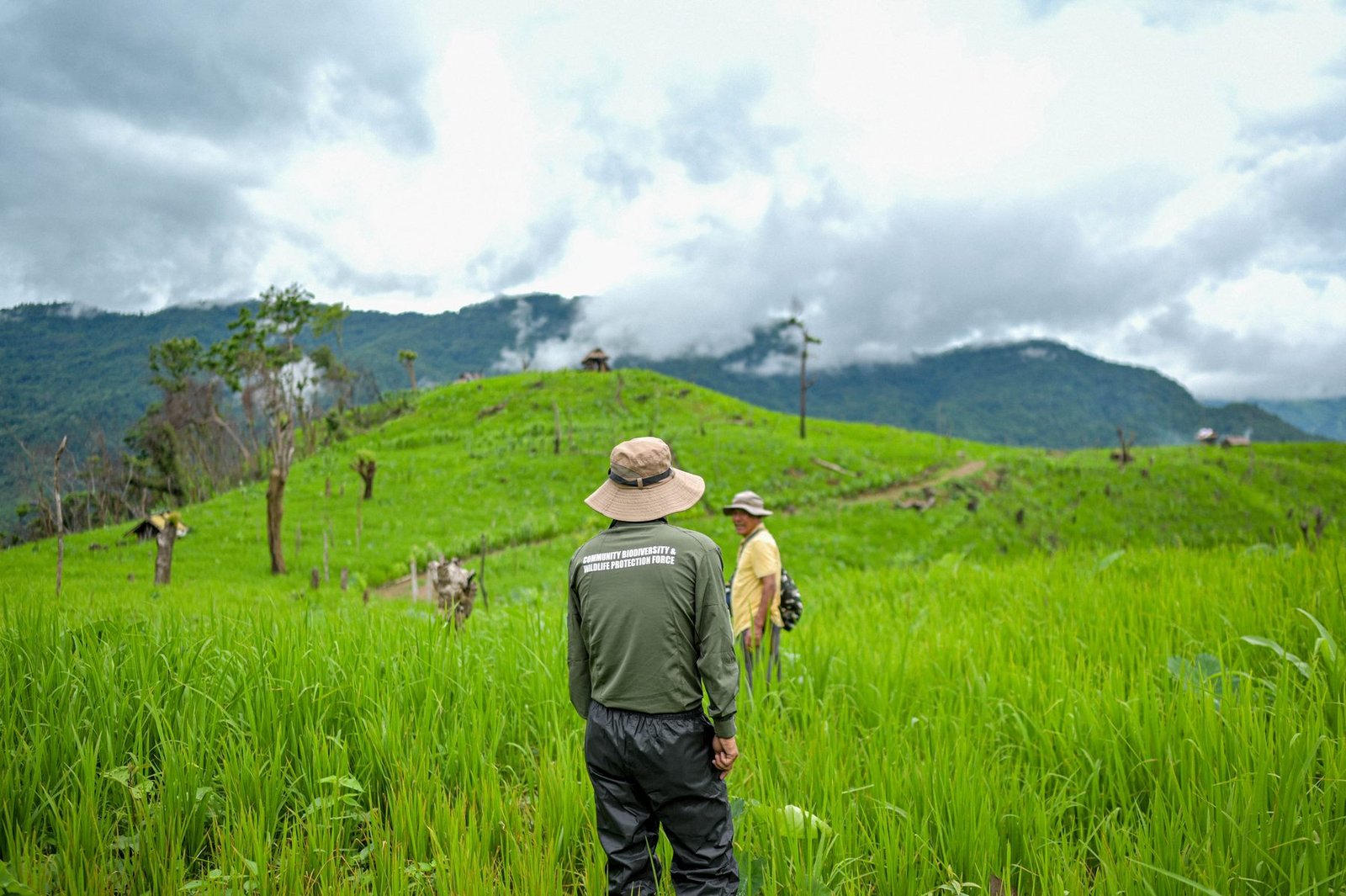
Every local body in India is required to constitute one. Kenono works with BMCs in Nagaland to make them working conservation institutions.
The Biological Diversity Act puts local biodiversity in the hands of a committee at the level where people actually use it.
Every village has a Biodiversity Management Committee. Some also hold a Community Conserved Area, governed by the village’s own rules.
A village’s own account of what grows, lives, and is cultivated in its area, and of the knowledge that comes with it.
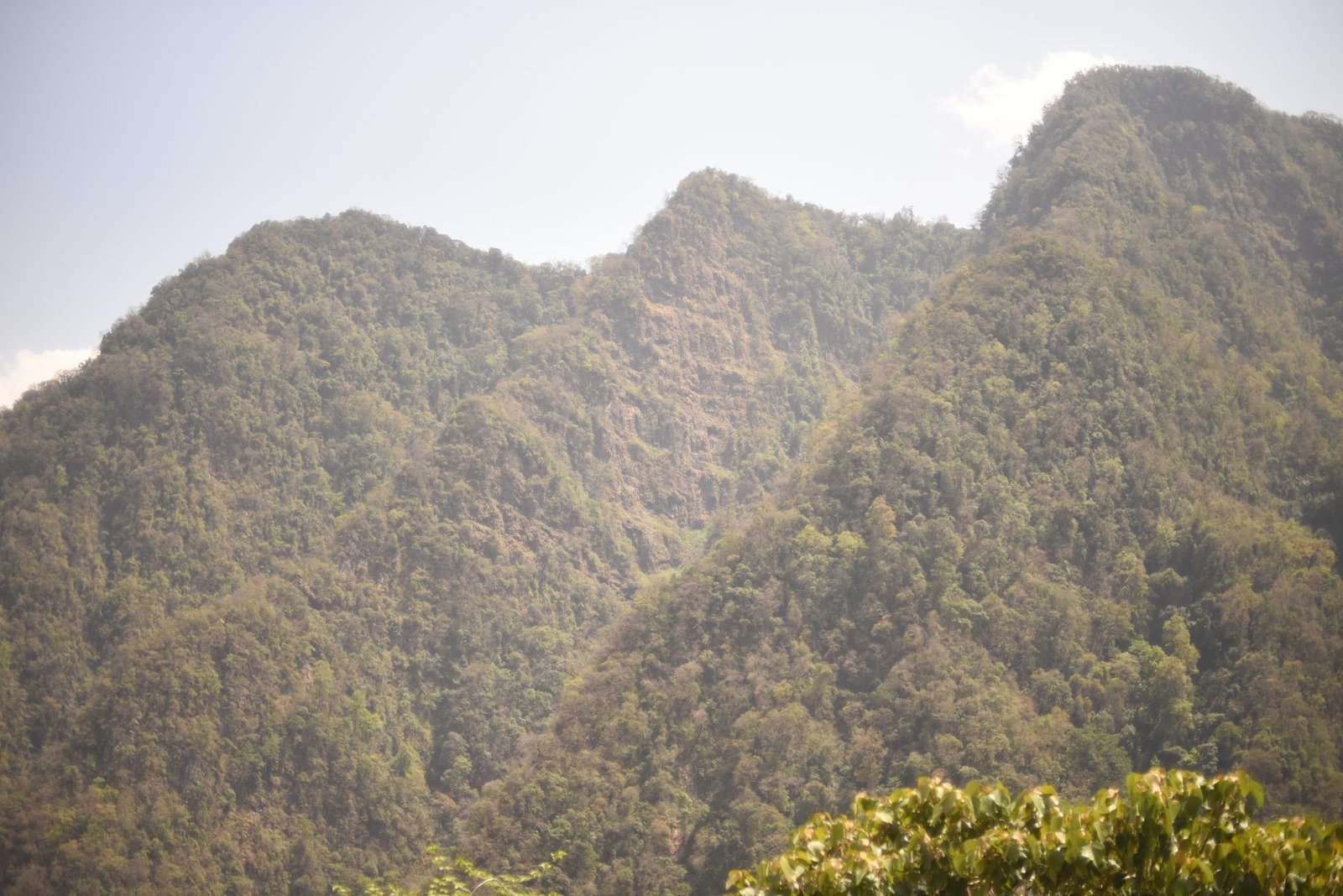 The forest a register has to account for
Four lines of work, all of them carried out with the committee and the village council rather than around them.
Helping villages constitute and then actually convene their BMC, with the roles, records, and meeting practice that let it take decisions and hold them.
Designing and writing the plans that govern how village forest and common land are used, so the rules are set down and can be followed year after year.
Building the register species by species, with the flora, fauna, and agroecological knowledge of the village recorded under the committee’s name.
Camera trapping and wildlife monitoring training, so the committee has evidence of what lives in its forest, and support for the community protection forces that patrol it.
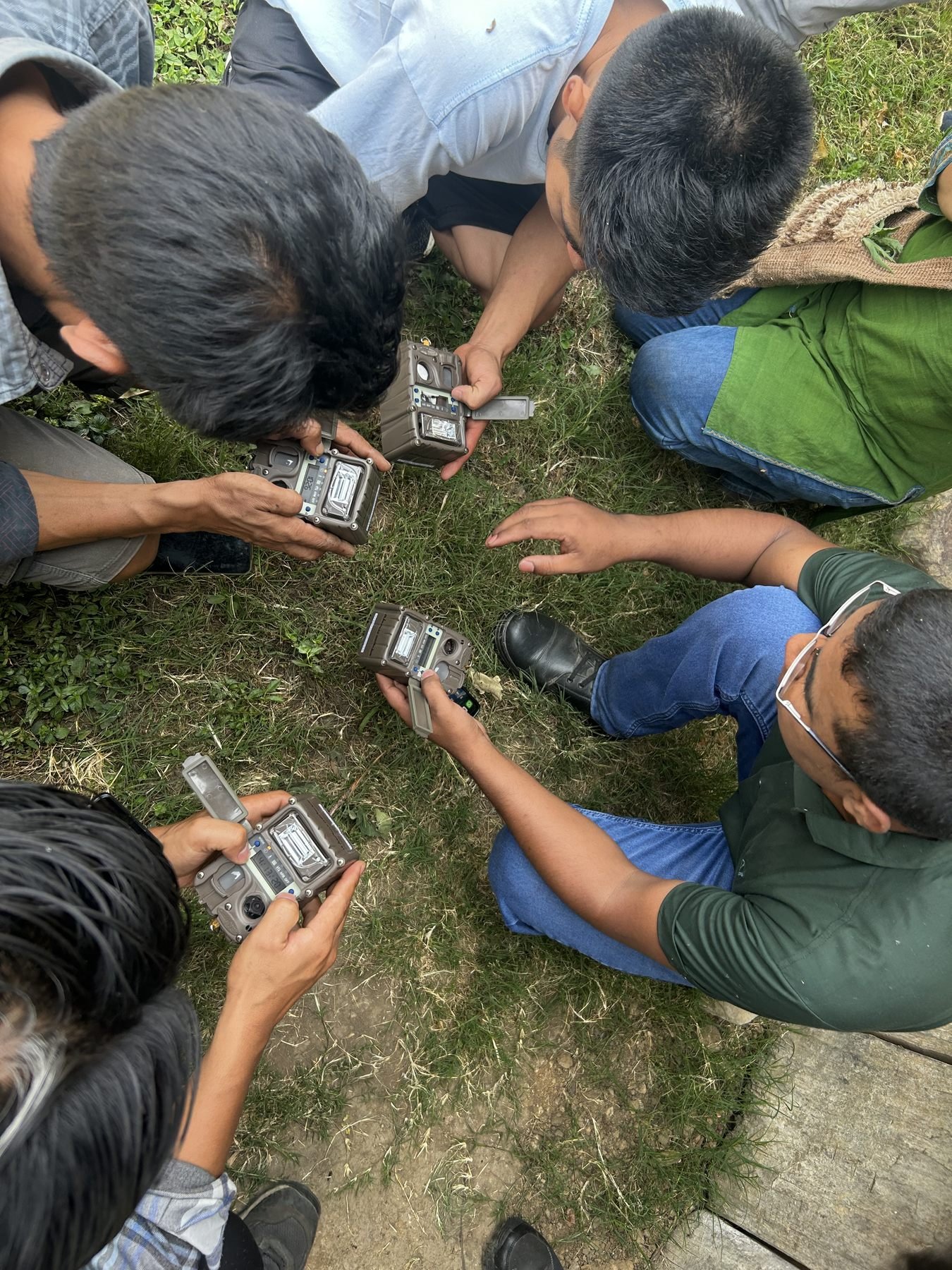 Camera trap training
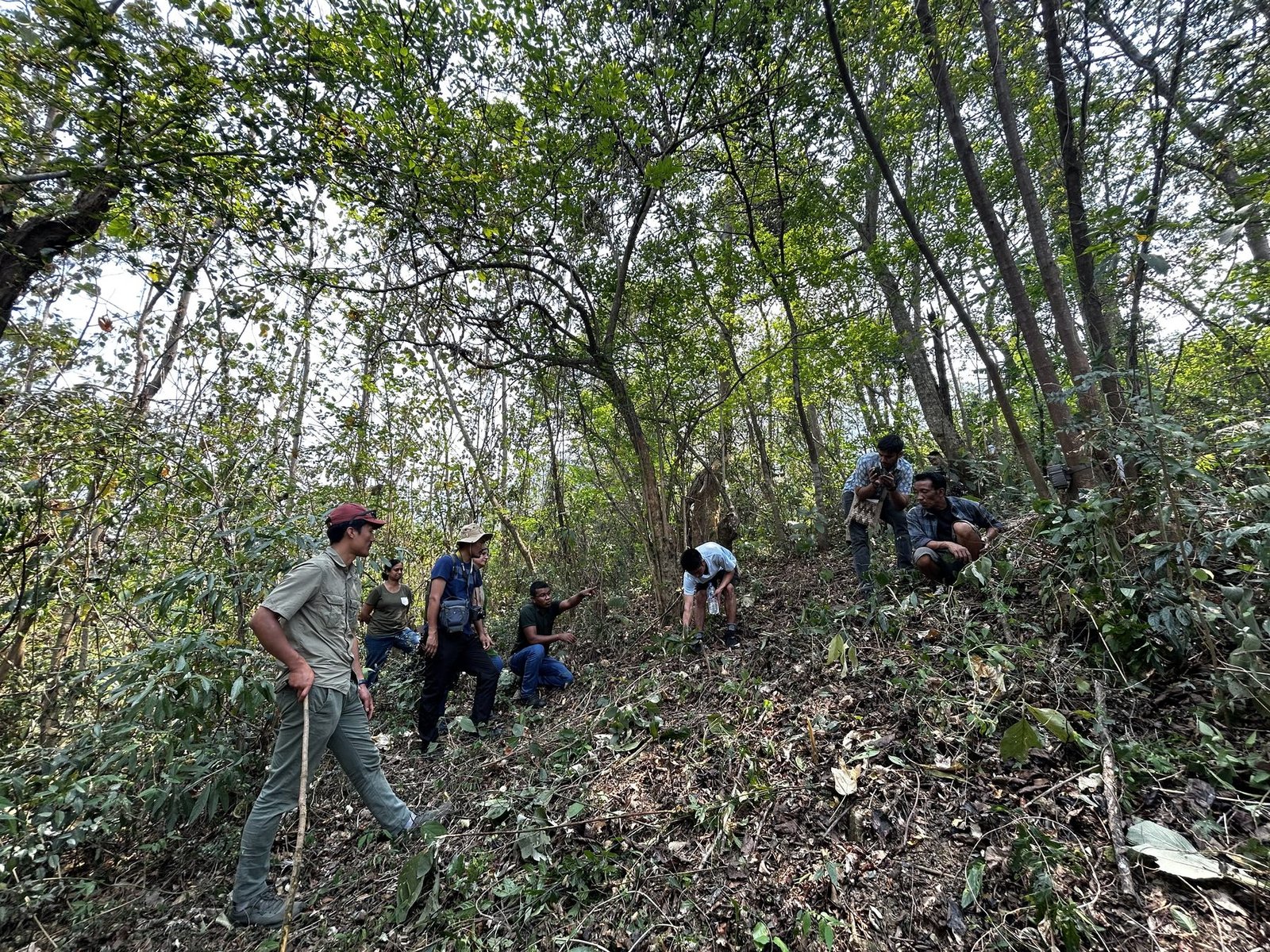 Siting a camera in the community forest
Village forest, village hall, and the ridges in between.
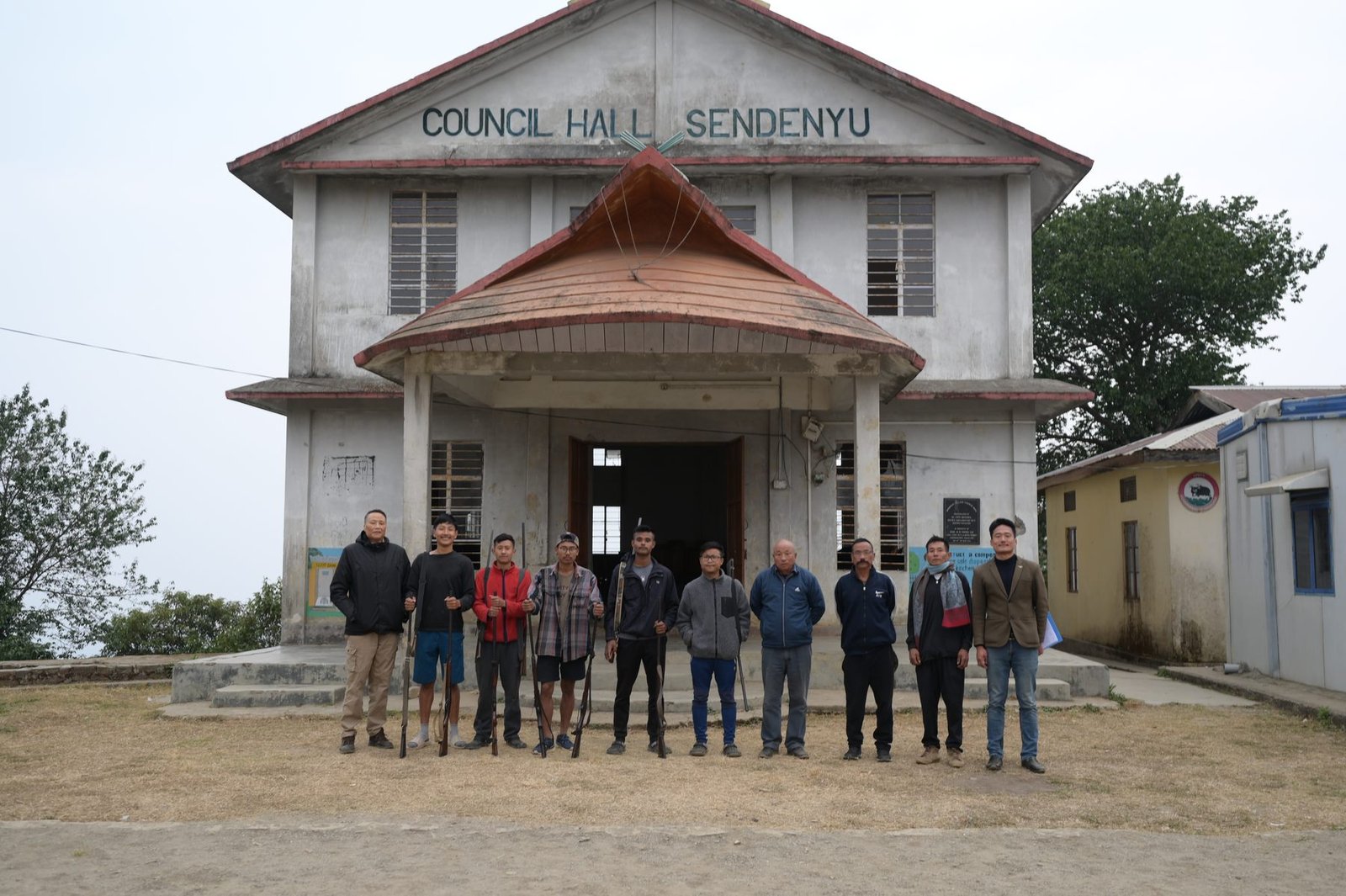 01At the Council Hall, Sendenyu
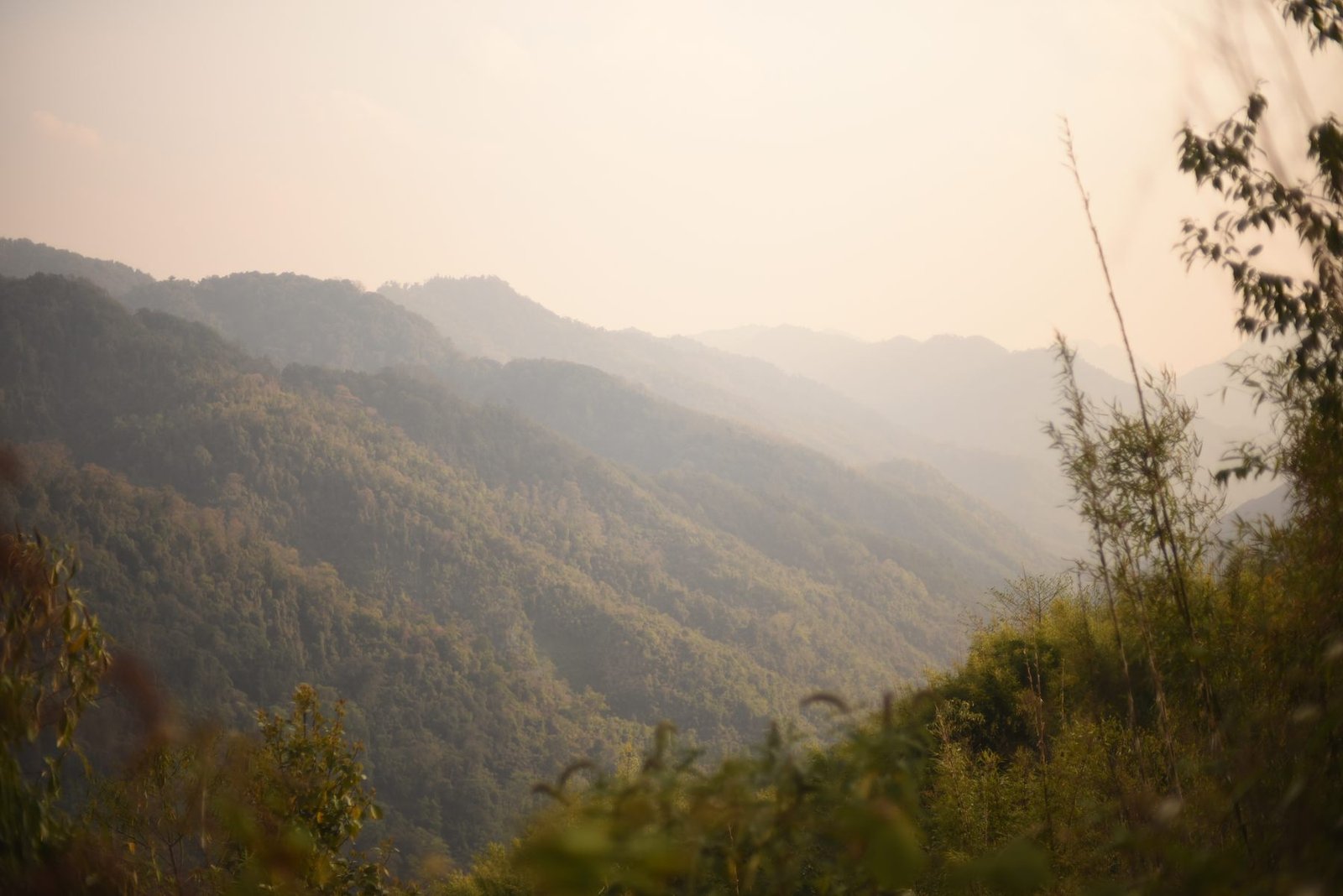 02Ridge after ridge, all of it village land