
Biodiversity Conservation · Indigenous Governance

Community Conserved Areas (CCAs)

Supporting Indigenous governance systems and community-led biodiversity conservation.

  • 36
    CCAs documented by youth
  • 5
    CCA landscapes, five districts
  • 5,490
    Households
Scroll
Our Approach

Kenono strengthens, supports, and trains Community Conserved Areas (CCAs) to better protect the forests they oversee.

Kenono supports CCAs through documentation, governance strengthening, knowledge exchange, and policy engagement.

Community Conserved Areas (CCAs)

CCAs are forest, wetland, or river areas that a village has set aside and governs under its own customary law.

In Nagaland, where communities and clans own nearly all forest land, CCAs are the state’s main form of conservation, and one of South Asia’s most extensive Indigenous-led conservation systems.

01

Creating a CCA

The village council passes a resolution setting aside part of the village-governed forest land, its boundaries walked and agreed by the clans and households who own it, to be preserved and protected.

02

CCAs and forest governance

A conservation board or forest committee sets the rules, which can include bans on hunting, felling, and destructive fishing; seasonal closures; fines under customary law; and village guards on patrol for enforcement.

03

Long-term forest management

CCAs create a management plan and a biodiversity register. They are also recognised in district and state networks, which in turn provide the recognition, knowledge, and support it needs to do lasting work.
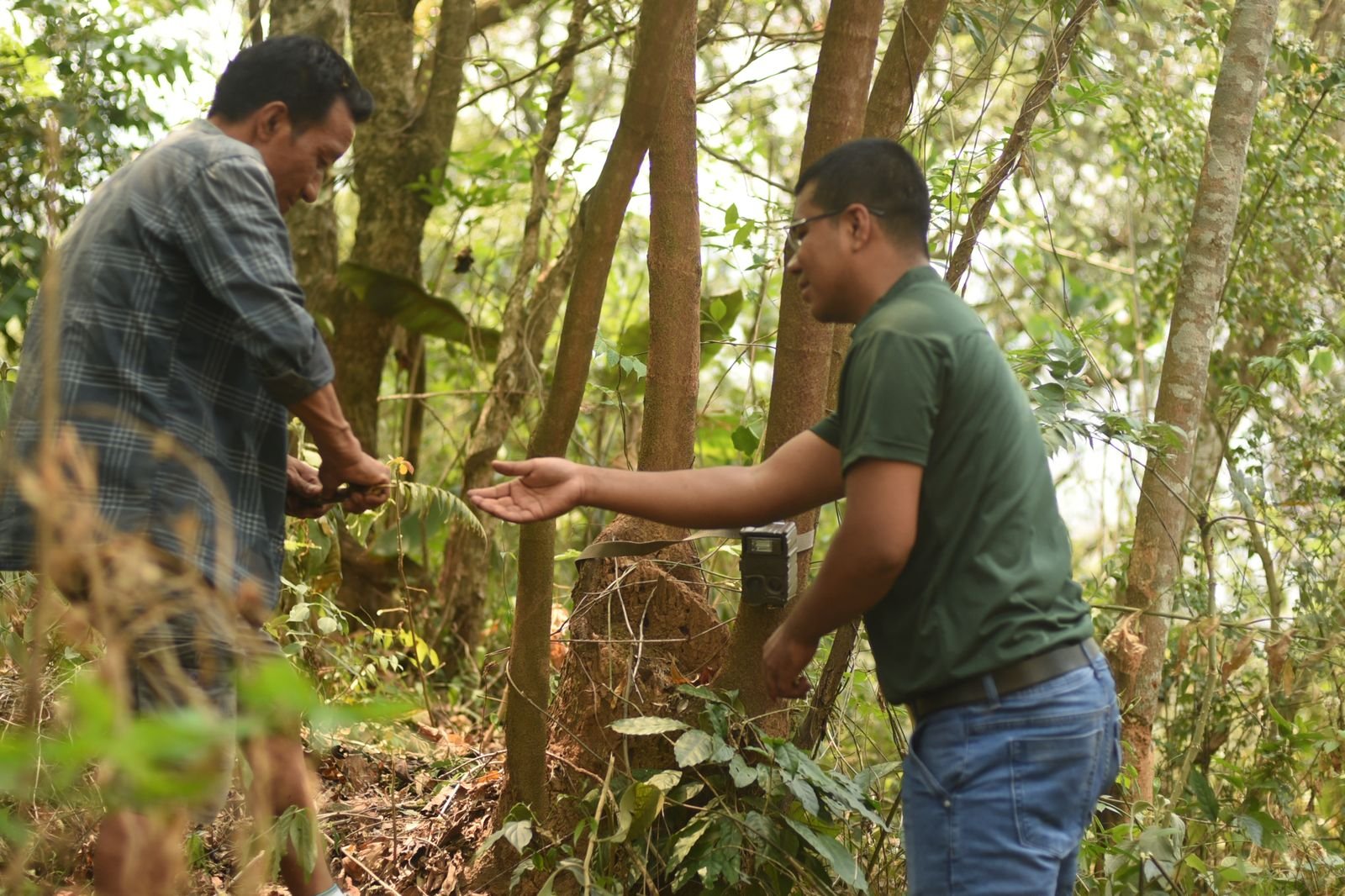
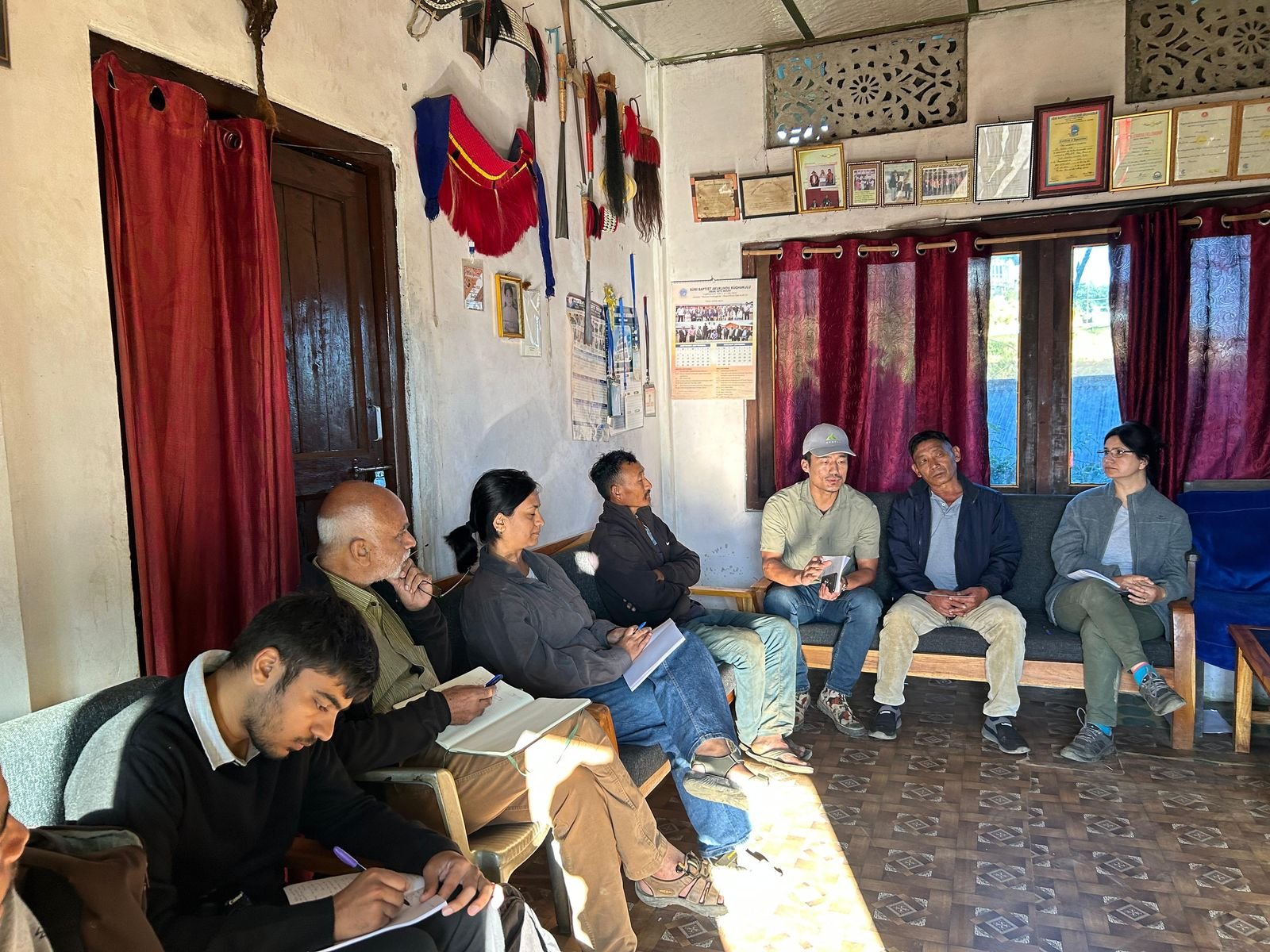
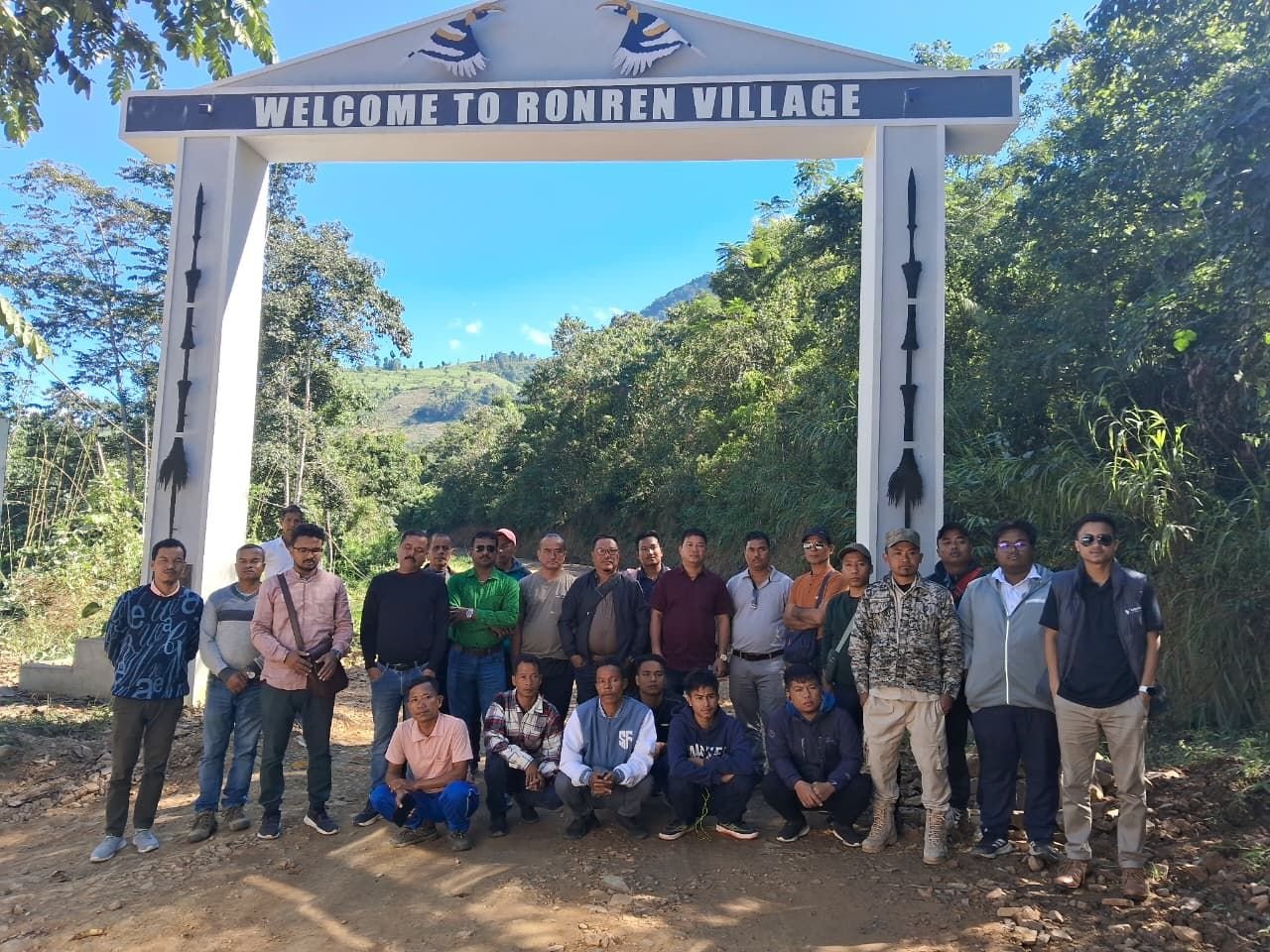
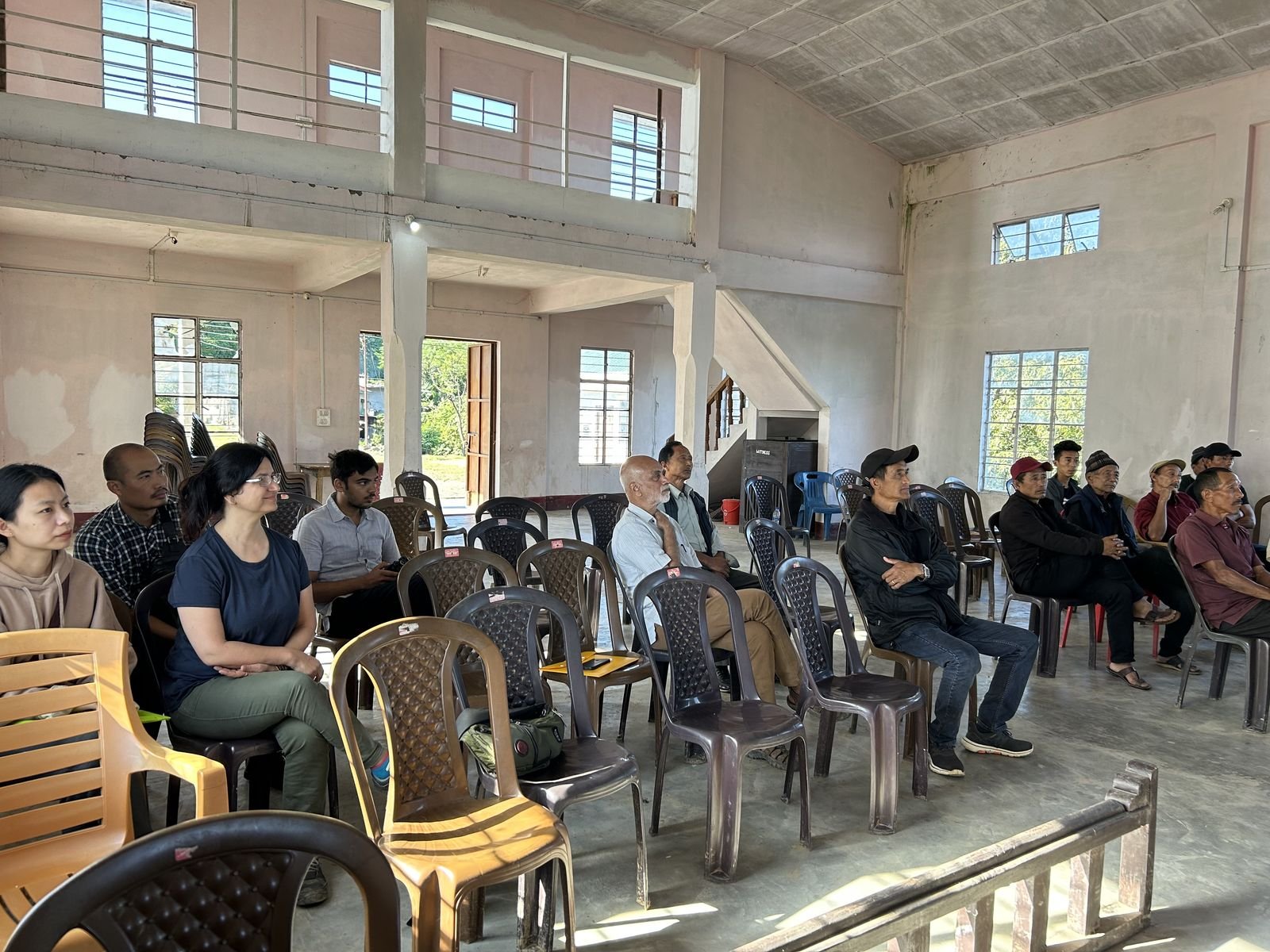
Two men fixing a wildlife camera trap to a tree A consultation with village leaders in a home hung with traditional regalia A delegation under the welcome gate of Ronren village Village members seated at a community meeting in a hall
Documentation

Youth capacity-building and community-led monitoring

Kenono trains village youth to document their CCA and lead forest committees and biodiversity volunteers in community-led monitoring.

  • Camera trapping and wildlife monitoring in CCA forest ranges
  • Biodiversity and human-wildlife interaction monitoring in five landscapes
  • Village biodiversity registers and CCA management plans
Camera trapping training, Gaili village
Governance

Strengthening institutions

Kenono works with village councils, conservation boards, and forest committees on the rules, plans, and finances that keep a CCA working after the project money ends.

  • Review and preparation of management plans for five CCAs
  • Study of social equity and of financial mechanisms to support CCAs
  • Guidance documents for communities, CBOs, and CSOs
Regular meetings with village councils that oversee CCAs
Knowledge exchange

Learning from regional and national networks

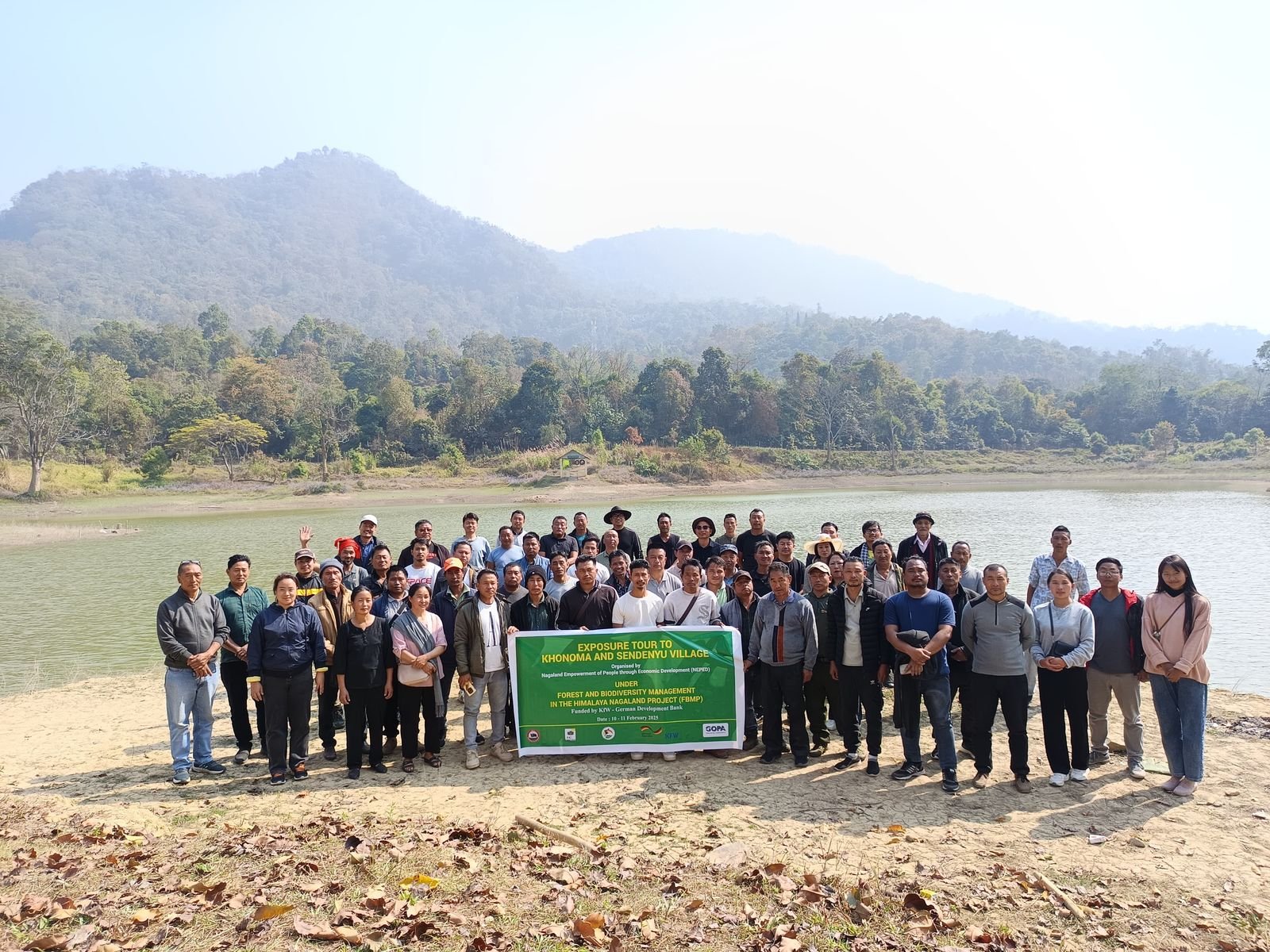
Exposure visits, the annual Nagaland CCA Meet and the CCA Forum’s portal let villages learn from each other across districts and state borders.

  • Exposure visits, including to Ronren village in Tripura
  • Nagaland CCA Meet 2024, CTC Mokokchung, with NGOs, government, and village leaders
  • CCA web portal with analytics dashboard and biodiversity mapping tools
Exposure visit to Ronren village, Tripura
Policy engagement

Policy support at the national level

CCAs have no formal status in state law. Kenono carries the villages’ case to the state and national levels.

  • Resolution for CCAs in Nagaland and memorandum to the Minister of Forest, Environment and Climate Change for a state CCA policy
  • Report of recommendations on policy, conservation, livelihoods, and social equity
  • Chair of the National Working Group on CCAs, 2025 to 2027
Community consultation
Strengthening CCAs in Nagaland

128 villages, five districts, one network.

Kenono’s flagship conservation project, 2023 to 2027, supported by The Nature Conservancy with Kalpavriksh, LEMSACHENLOK, and Strand Life Sciences as implementing partners.
  • Three conservation landscapes selected for enterprise pathways that generate resources for conservation: in Tseminyu, in Tuensang and Zunheboto, and in the Mt. Pauna range of Peren.
  • Community self-documentation of CCAs on the South Asia CCA portal, with a Nagaland microsite and a home for the Nagaland CCA Forum.
  • Monitoring of biodiversity and human-wildlife interactions across five CCA landscapes, with camera trapping that has recorded threatened species.
  • A state-level dialogue at the Nagaland CCA Meet 2024 that resolved to seek a state policy for CCAs.
128
Villages across five districts
12,000ha
Community conserved forest supported
30,262
People in 5,490 households
36
CCA sites documented by youth
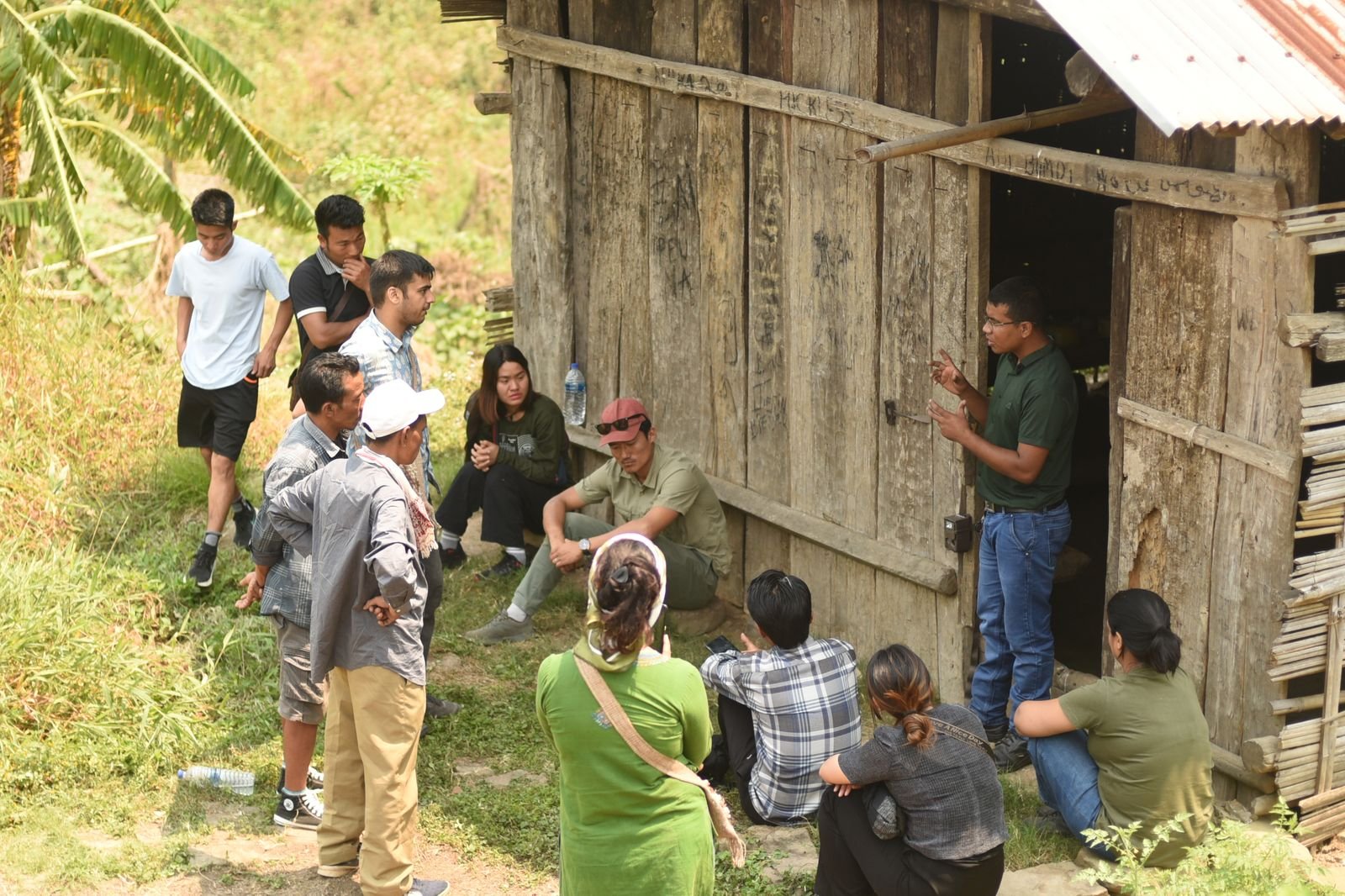
A trainer briefing a group beside a wooden hut in the forestMonitoring training in the field
A large group behind a banner for an exposure tour to Khonoma and Sendenyu villagesExposure tour to Khonoma and Sendenyu
International participation and recognition

From the village council to the global movement.

Kenono is part of the worldwide movement of Indigenous Peoples’ and Community Conserved Territories and Areas (ICCAs), also called Territories of Life.

Village

Village councils and conservation boards

The institutions that declare and govern each CCA, and the Rengma Village Council Chairman Forum, which resolved to adopt forest biodiversity conservation across every range of Tseminyu District.

State

Nagaland Community Conserved Area Forum (NCCAF)

The state network of CCAs, with which Kenono works on a landscape approach to conservation and corridors. Kenono built and hosts the Forum’s microsite on the CCA portal.

National

National Working Group on Community Conserved Areas (NWG-CCA)

India’s working group on CCAs. Kenono’s Chief Executive was appointed Chair for the 2025 to 2027 term.

Global

ICCA Consortium and the ICCA Registry

Kenono is a member of the ICCA Consortium and sits on the Steering Committee of the ICCA Registry at the UNEP World Conservation Monitoring Centre, carrying community voices from Nagaland into global policy spaces.