
 Kenono Foundation
Write to us
Kenono Foundation
Write to us
Kenono Foundation
Write to us
Kenono Foundation
Write to us
A community-owned seed bank for Tseminyu, conserving indigenous seeds and building community stewardship for food security, biodiversity, and climate resilience in Nagaland.
Kenono is working towards building seed banks to preserve biodiversity and Rengma Naga agroecological heritage.
A single-storey building with a veranda, sited on community land in Tseminyu District: storage, cleaning, packing, and records under one roof, with a training hall for farmer groups, a drying yard, demonstration beds, and rainwater harvesting.
Cool, dark, and dry; sealed containers, labelled and logged.
Winnowing, sorting, and drying down to storage moisture.
Variety, source village, grower, and harvest date on every packet.
Seed-saving workshops for farmer groups and a display of the district’s varieties.
Stock, loan, and visitor registers.
Tools, containers, and drying racks.
Open sun-drying beside the building.
Grow-out plots to multiply stock and keep varieties true.
Water for the garden and the cleaning area.
Site plan, not to scale
The bank will put seeds to use, where a farmer can borrow a cup of seed and must return two cups after harvest. This way, the stock grows every season and every variety is regrown rather than left in a jar.
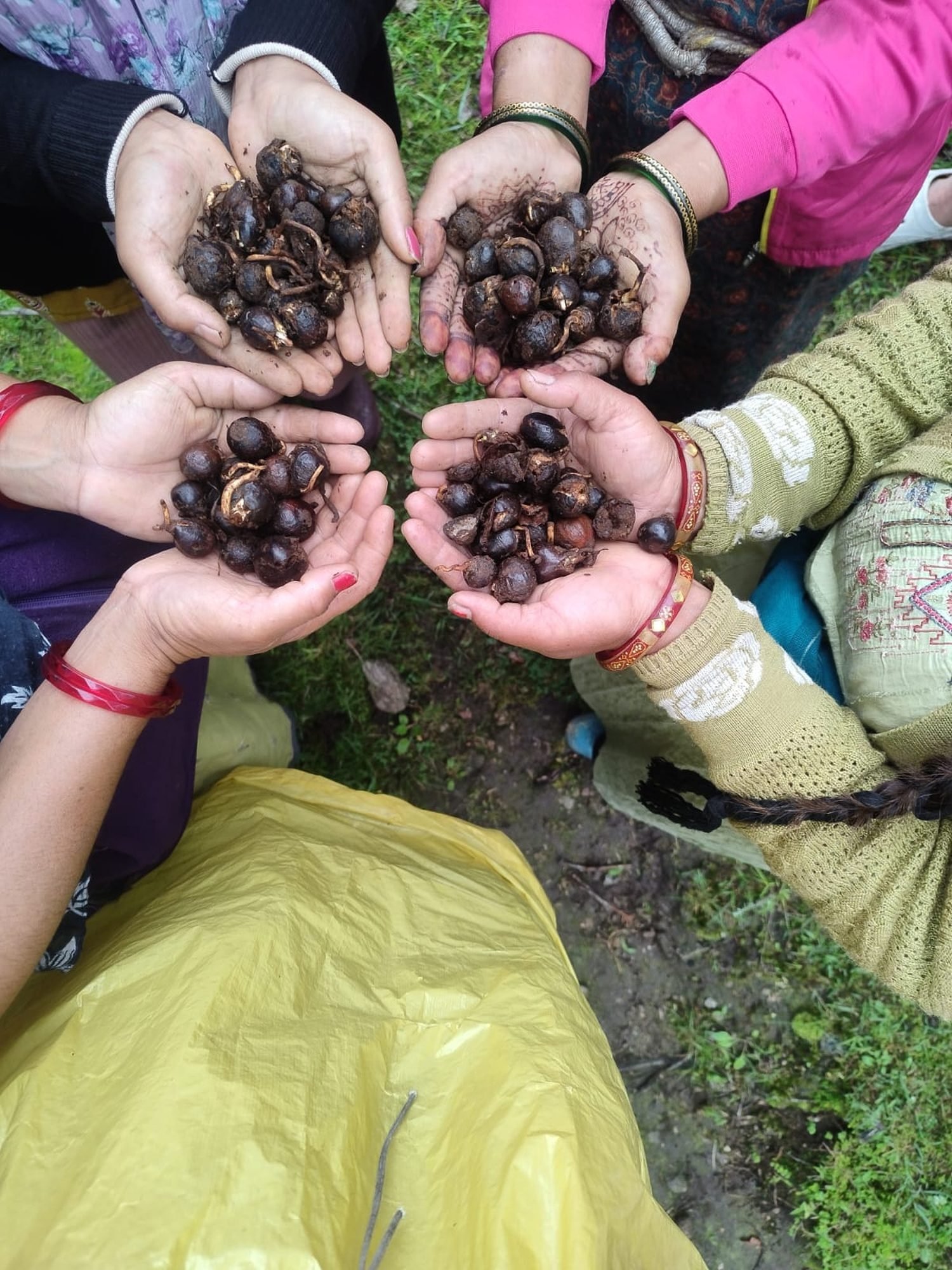
Farmers and knowledge holders bring in the varieties they still grow, with the story of where each came from.
Seed is cleaned, dried to storage moisture, and checked before it enters the store.
Sealed, labelled, and entered in the stock register, with germination checked each year.
Any member can borrow seed for the season. One cup out, two cups back.
The demonstration garden and group plots regrow stock so it stays viable and true to type.
Following ECHO Asia’s work with community seed banks across Southeast Asia, the bank uses appropriate technology that works without reliable electricity: passive cooling for the store, vacuum sealing, local desiccants, and solar drying.
In Naga communities, women historically have preserved and conserved seeds for future generations. The seed bank will be owned and operated by women to honour this tradition, making it central to the intersection of gender and climate action.
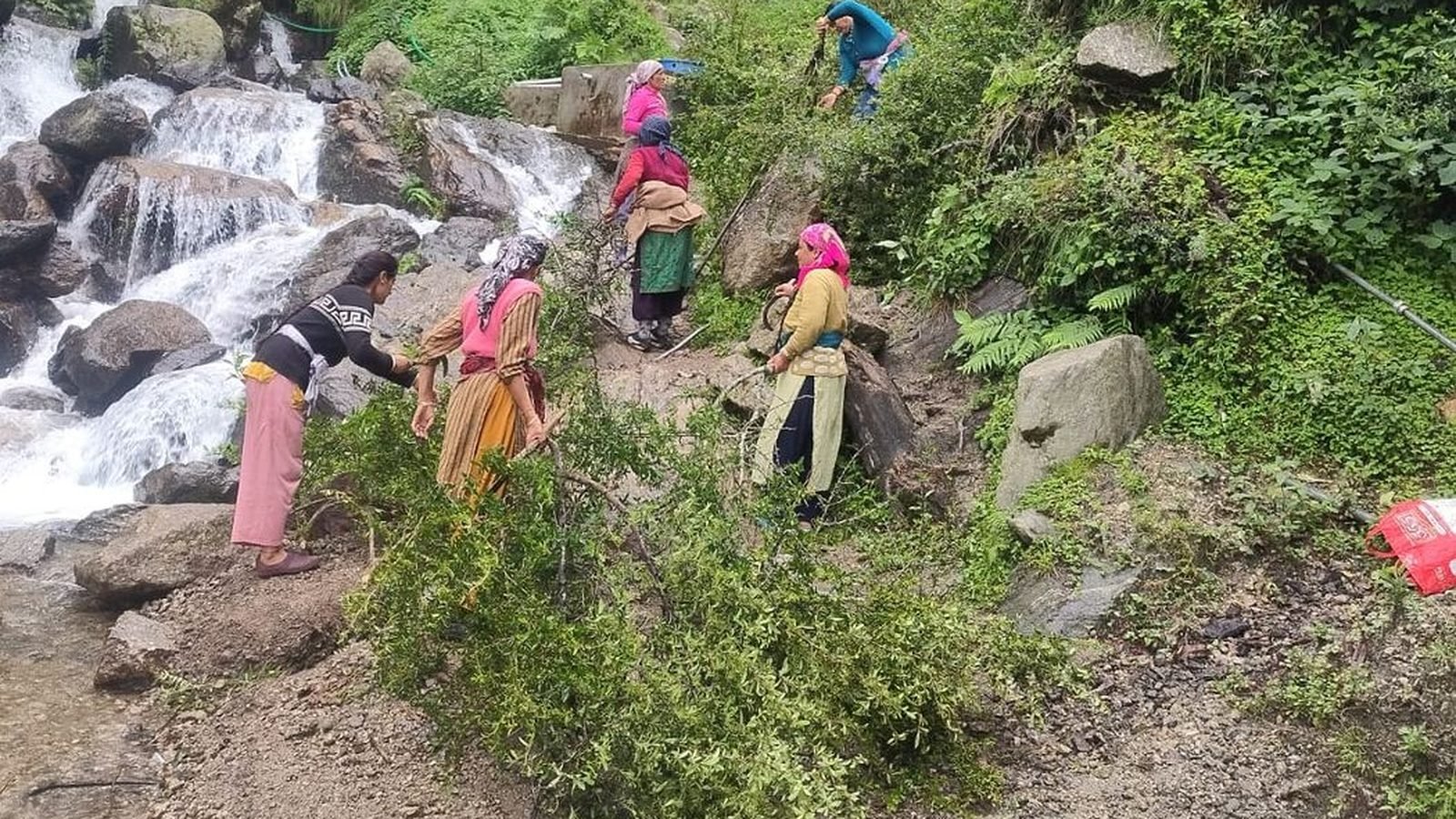
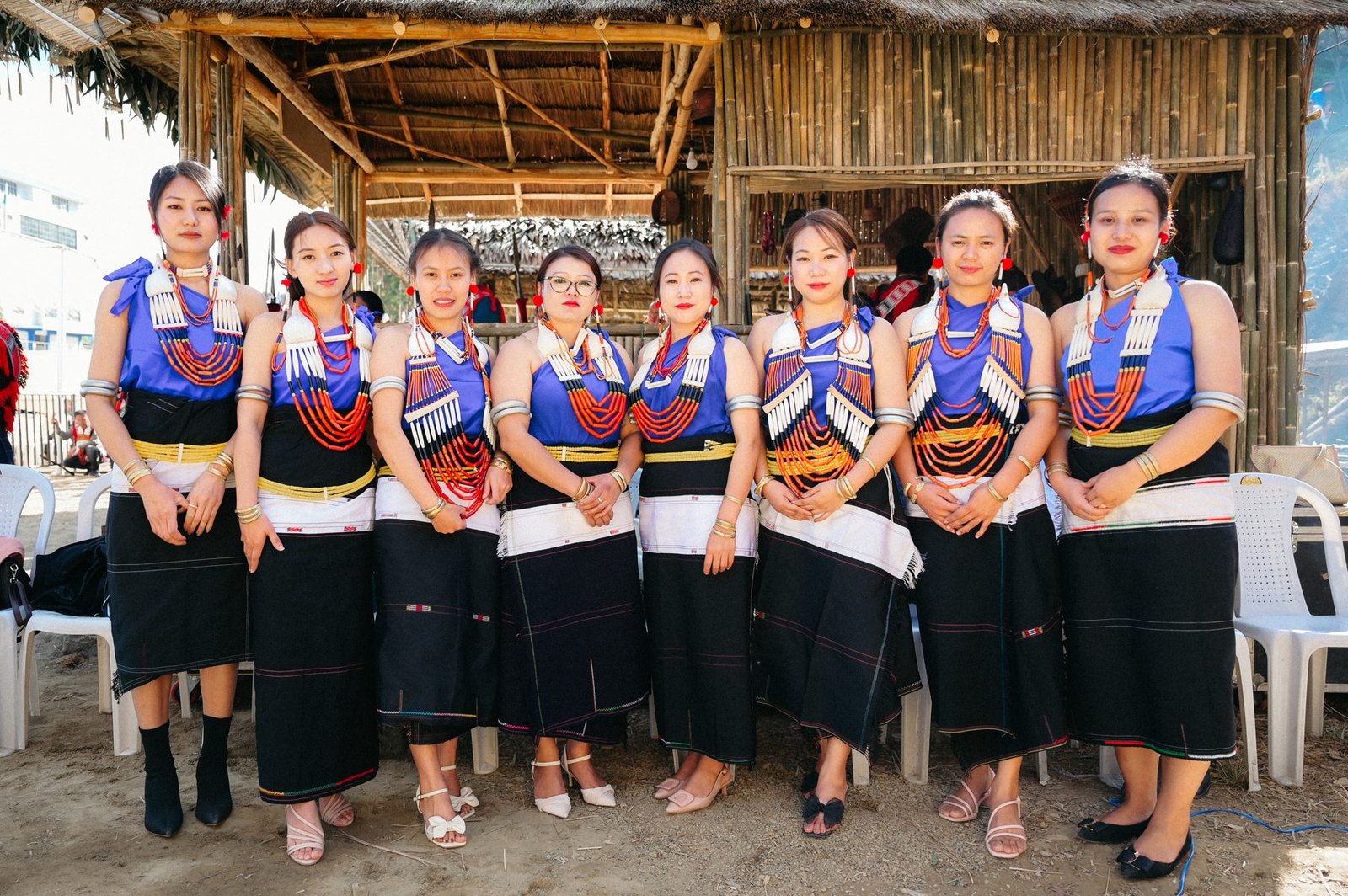
Seed has passed between women for generations. The bank keeps that line unbroken.
Owned and operated by women, the seed bank puts the village’s seed in the same hands that have always held it, with the storage, records, and training to carry it further.
The seed bank is built with three partners: one that finances rural innovation, one that runs a regional network of community seed banks, and one that built Nagaland’s first.
NABARD’s not-for-profit subsidiary, set up to take innovative projects to rural India through convergence with like-minded partners.
nabfoundation.in
Runs a regional seed bank in Chiang Mai, Thailand, and trains partner staff to establish community-level seed banks: in 2017 it sent 4,600 trial packets of 175 locally adapted varieties to partners in 29 countries.
echocommunity.org
A women’s rights organisation whose Chizami seed bank in Phek District, run by the Chizami Women Society, keeps 156 traditional varieties and lends them on the two-cups-for-one rule.
northeastnetwork.org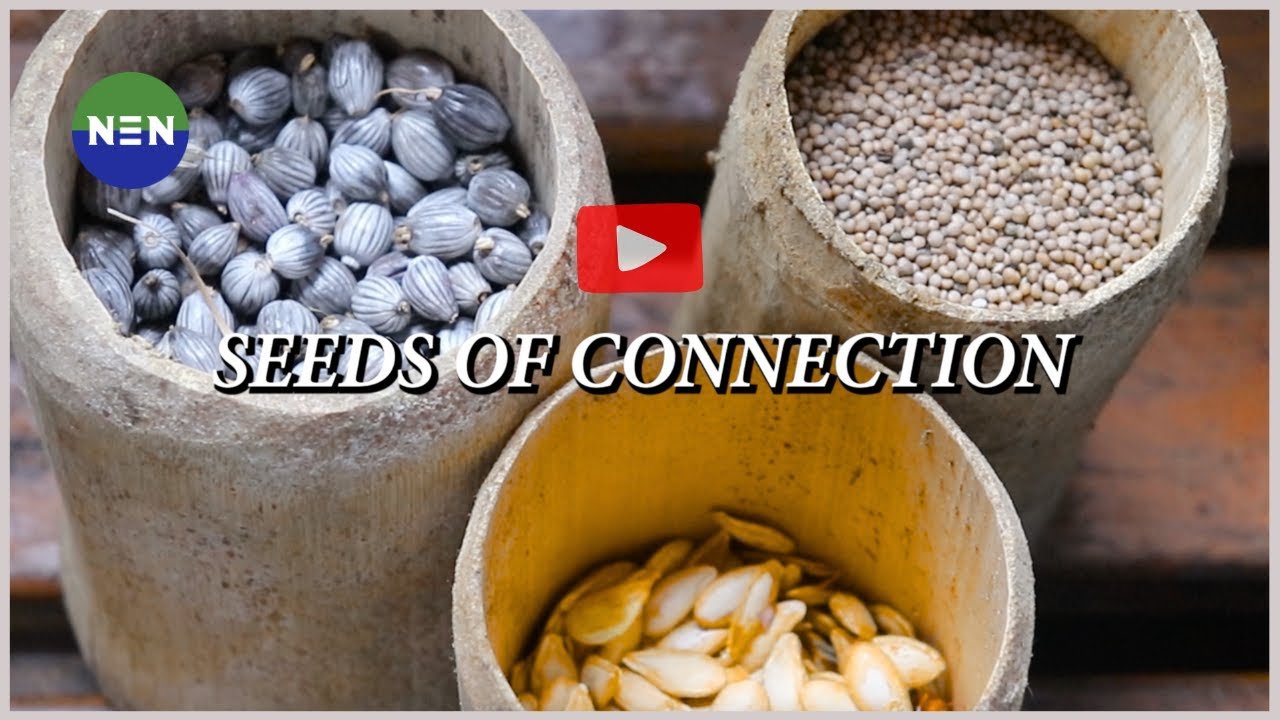
Community knowledge holders in Nagaland on the seeds they keep, filmed by North East Network, Chizami.
Watch on YouTube