
 Kenono Foundation
Write to us
Kenono Foundation
Write to us
Kenono Foundation
Write to us
Kenono Foundation
Write to us
Creating intergenerational learning spaces connecting biodiversity, education, and stewardship.
An intergenerational learning space where communities, students, researchers, and visitors explore biodiversity through local knowledge, ecological interpretation, and immersive experiences.
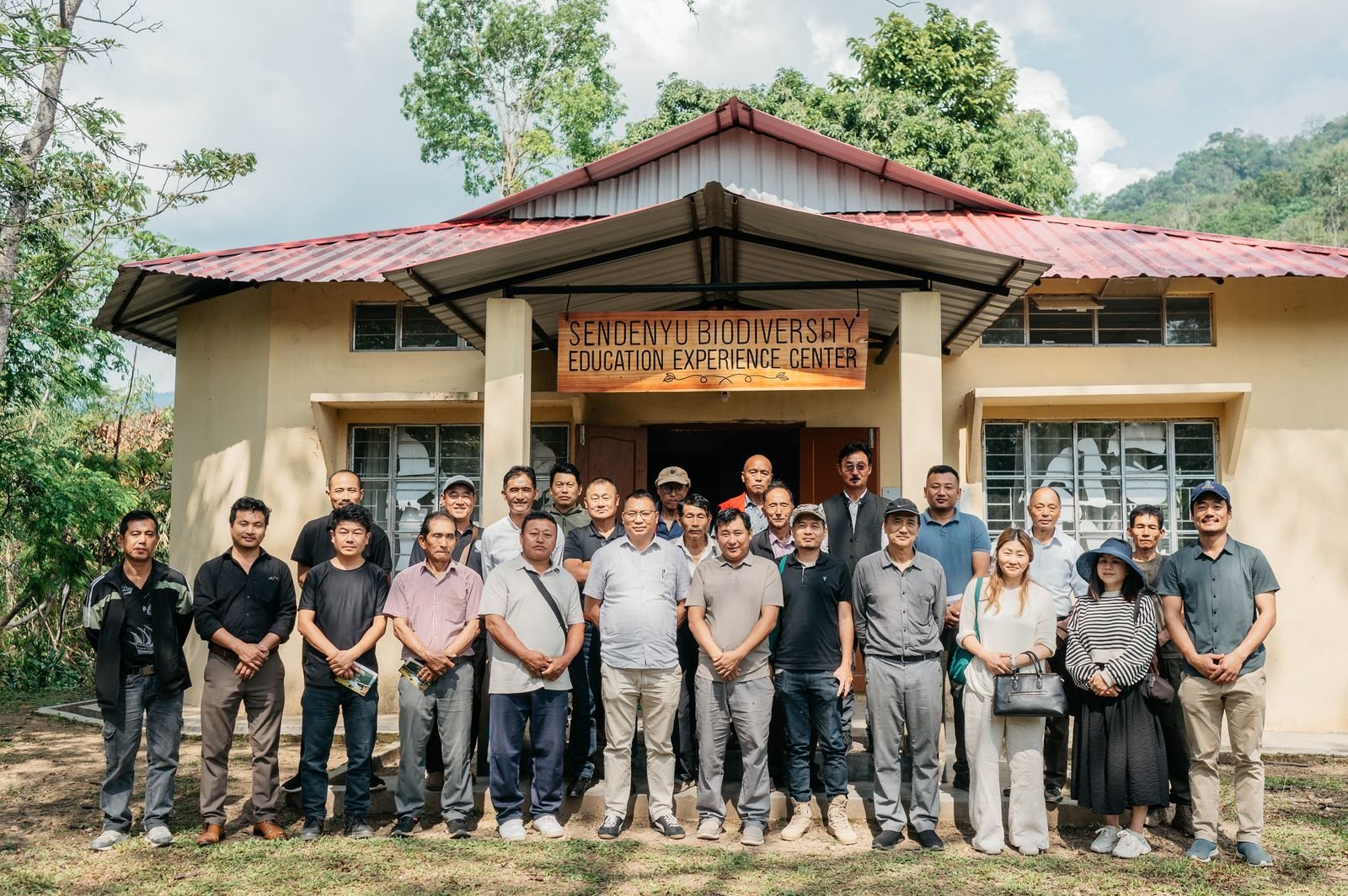 Kenono staff, local villagers, and visitors to the Centre
Elders and knowledge keepers share the reserve’s history and species; the Board and Kenono run capacity-building on community conservation and leadership.
Awareness programmes for children and youth: nature play, tree games, and nature movement, and the Sendenyu Youth Biodiversity Fest, first held in May 2024.
An interpretation point at the trailhead, with the reserve map, the trekking route, and the village’s own account of what lives here.
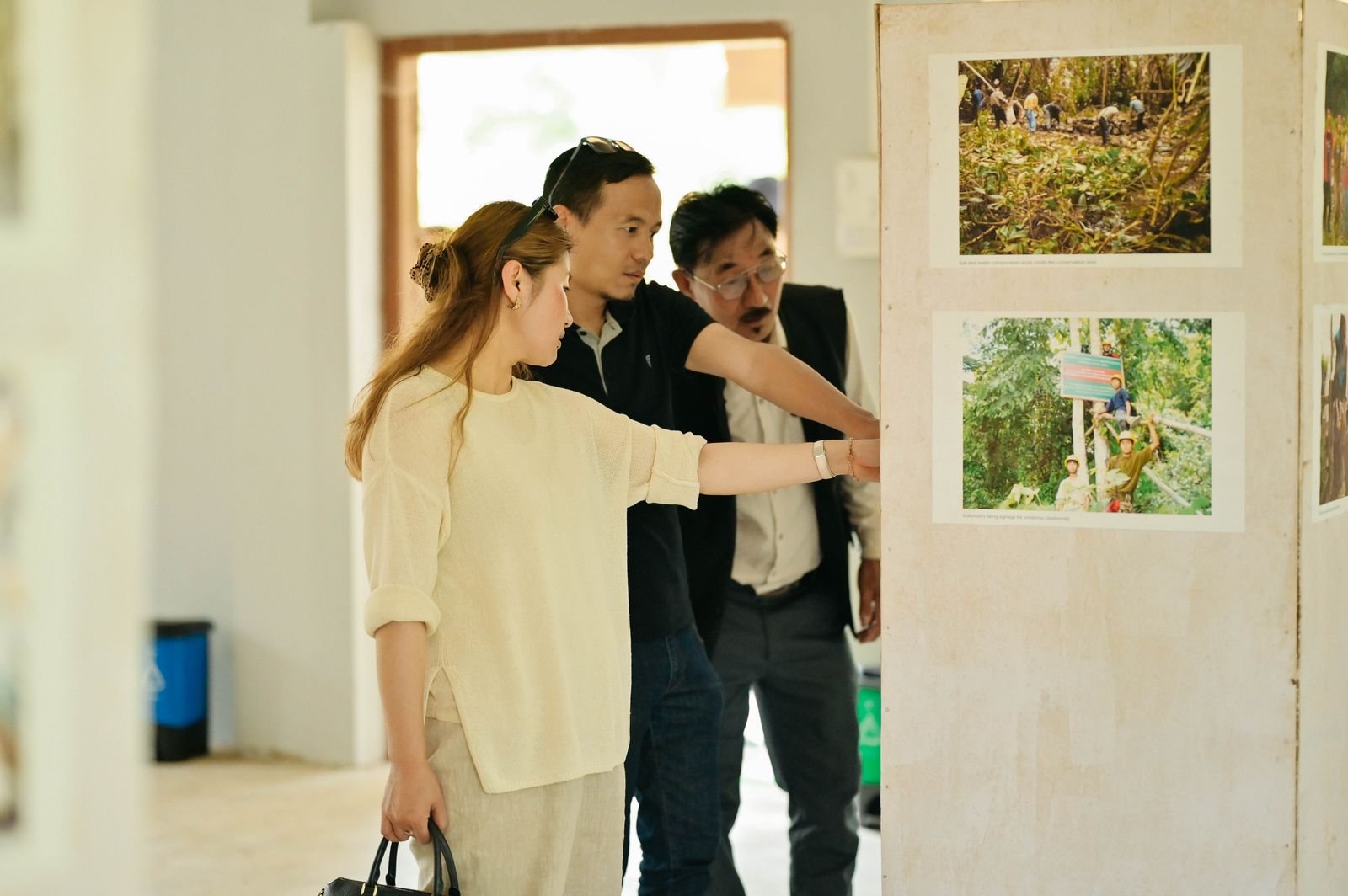 The exhibition panels
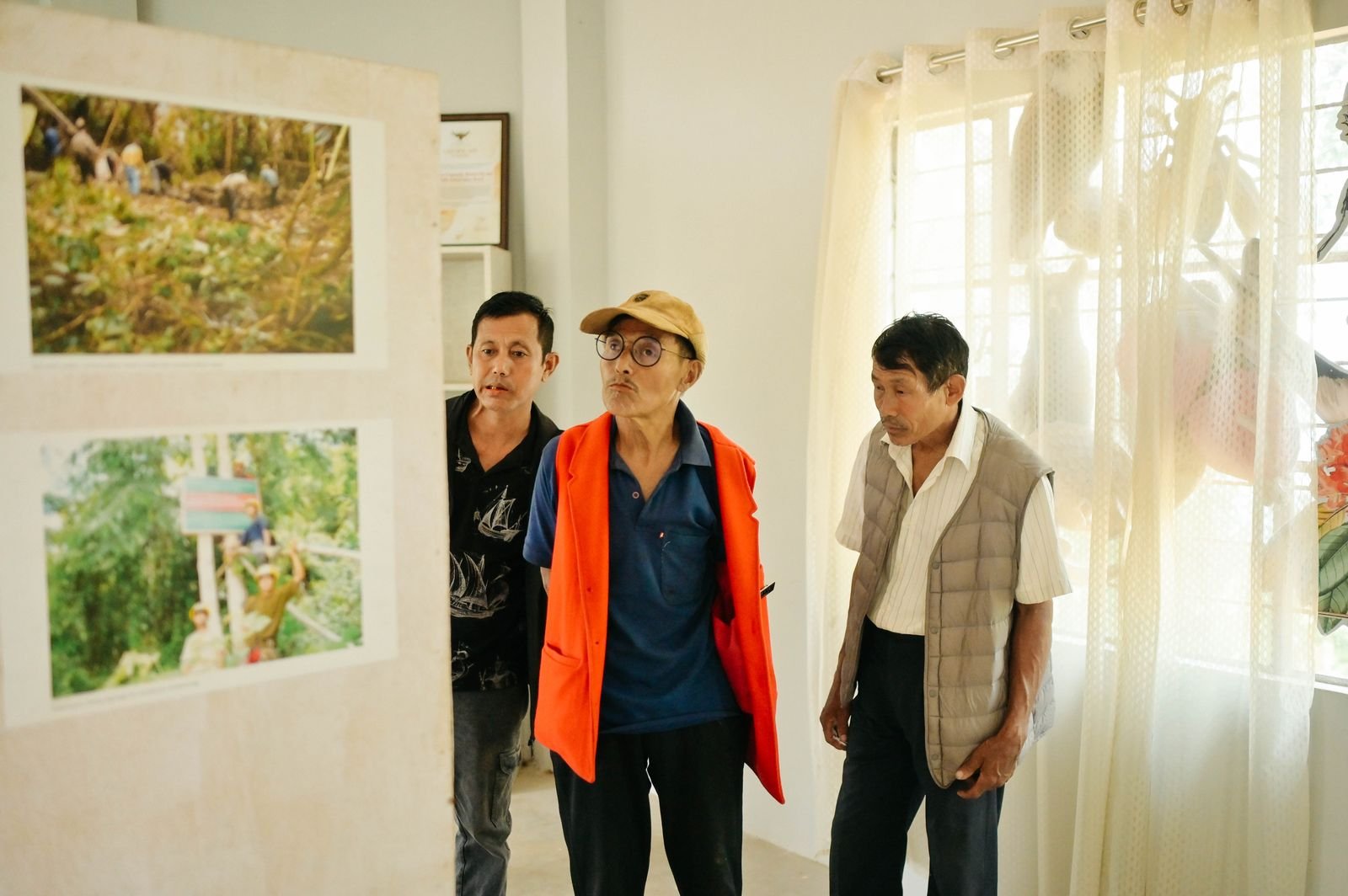 Twenty-five years of the village’s work, on the wall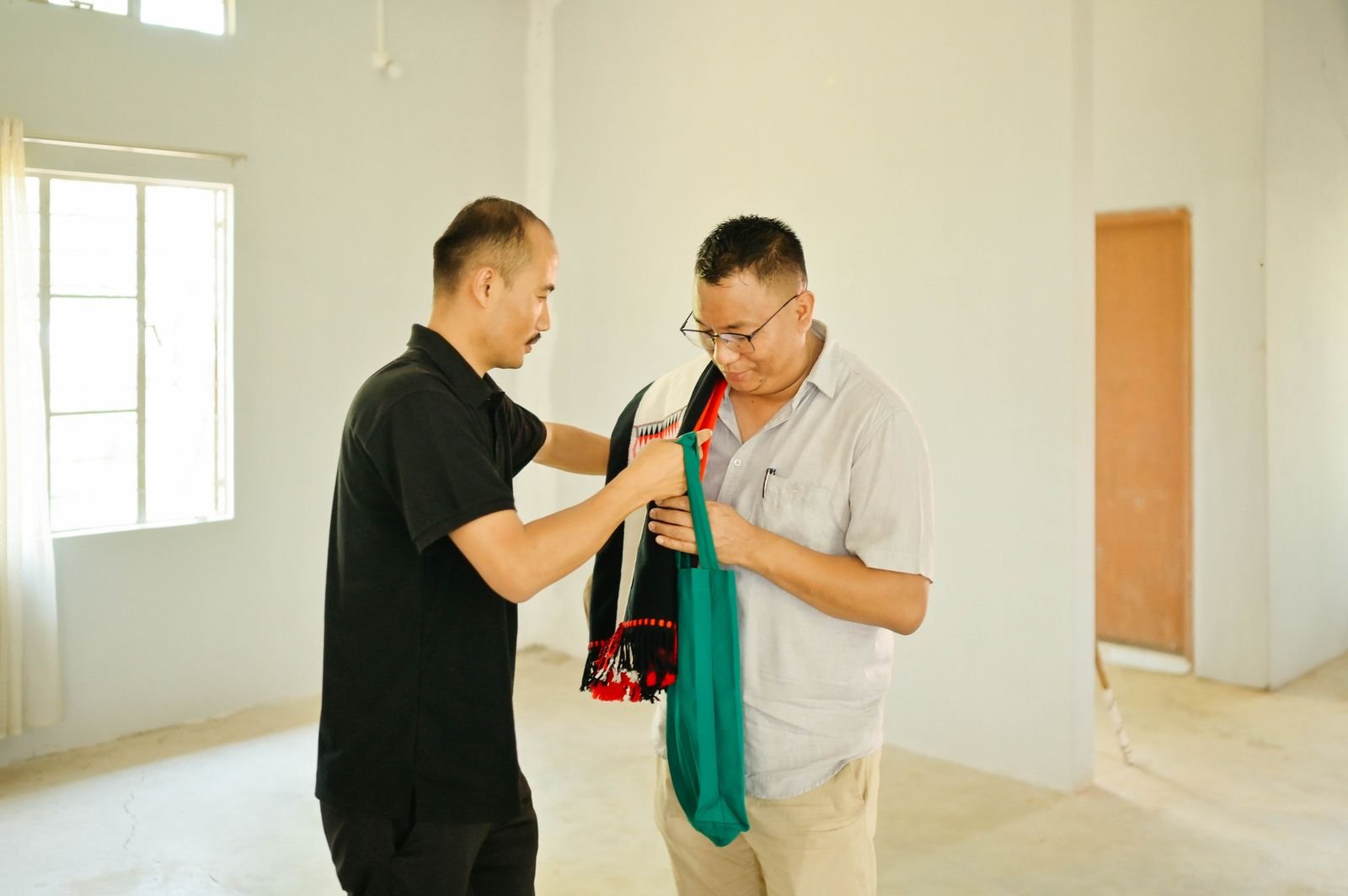
Although a humble beginning, the centre is a long cherished dream and a result of the dedication and sacrifice of the people for the village biodiversity conservation from the very beginning.
Gwasinlo ThongChairperson, Sendenyu Community Biodiversity and Wildlife Conservation Board
On January 1, 2001, the Sendenyu Village Council declared its forest a wildlife protected area under its own Wildlife Conservation Act. In 2005, the surrounding forests became a no-hunting zone. Forest, wetland, and the Nzu River are patrolled by village guards and governed by the community’s own conservation board.
Trailhead, map shelter, and learning space at the reserve boundary.
A 2 km route north through the reserve’s forest to the ridge at Parashen, walked with village guides.
A watch tower on the route, one of the reserve’s observation points for wildlife and fire watch.
The site where the Naga national flag was first hoisted, on March 22, 1956, kept inside the protected forest and marked with a memorial stone.
The river runs the reserve’s north-eastern edge; a wildlife corridor links the reserve to forest to the west.
Sendenyu, New Sendenyu, and Thongsiinyu share the reserve. A village guard from each of these three villages is on patrol at all times.
Two decades without hunting have let the forest refill. The village records these species in the reserve; the hoolock gibbon and great hornbill, recorded in living memory, are the ones it hopes to see return.
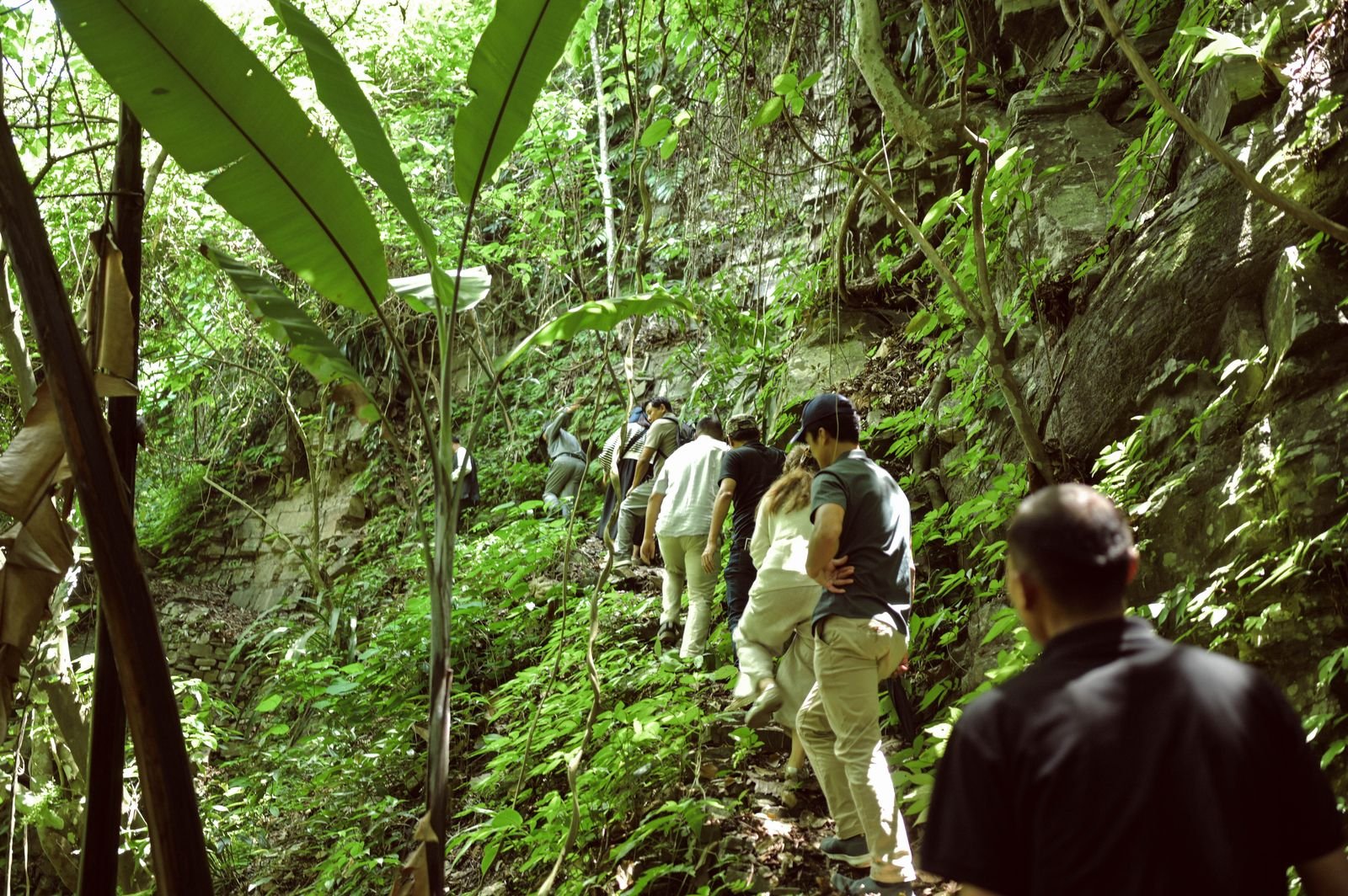
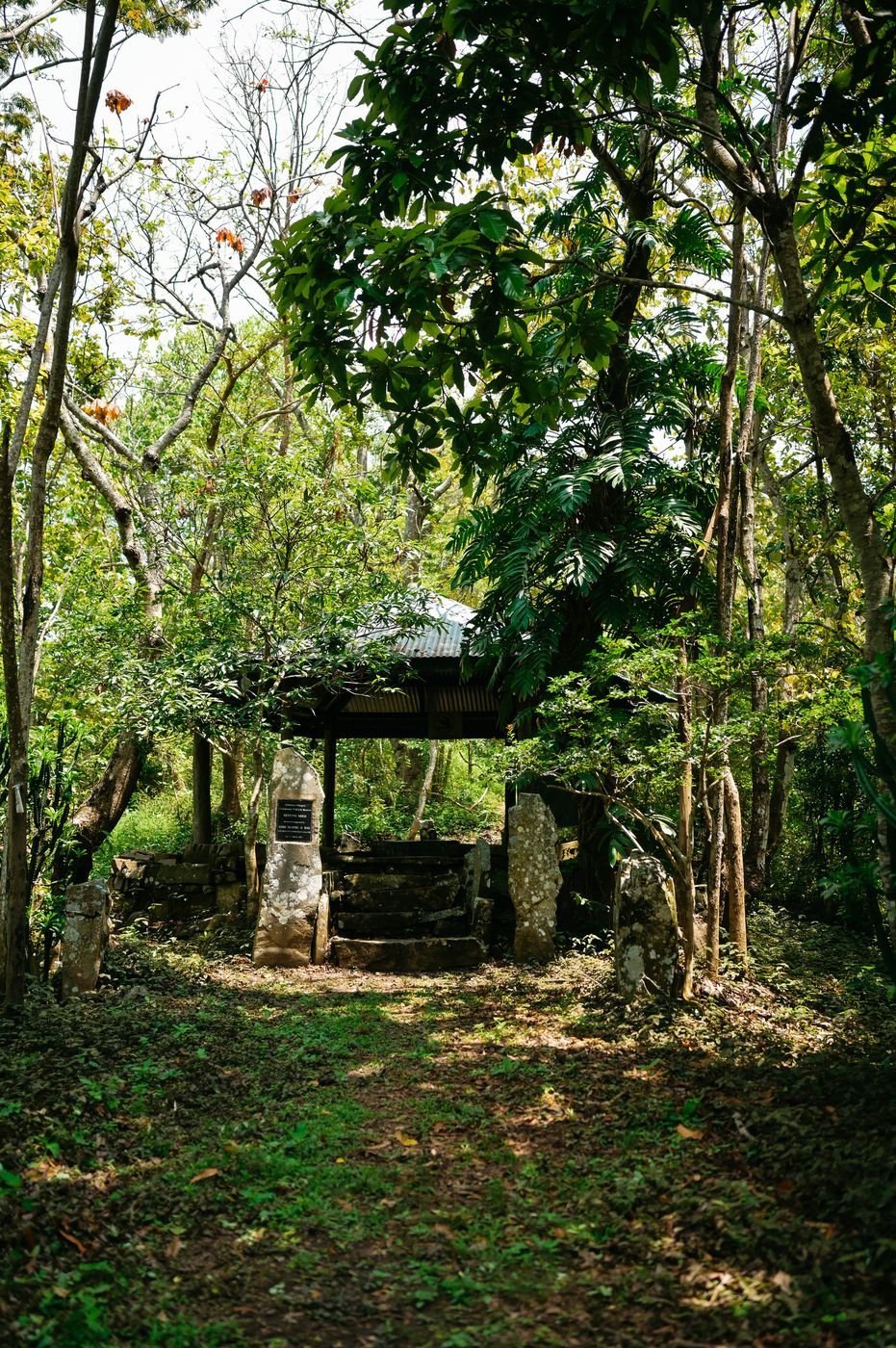
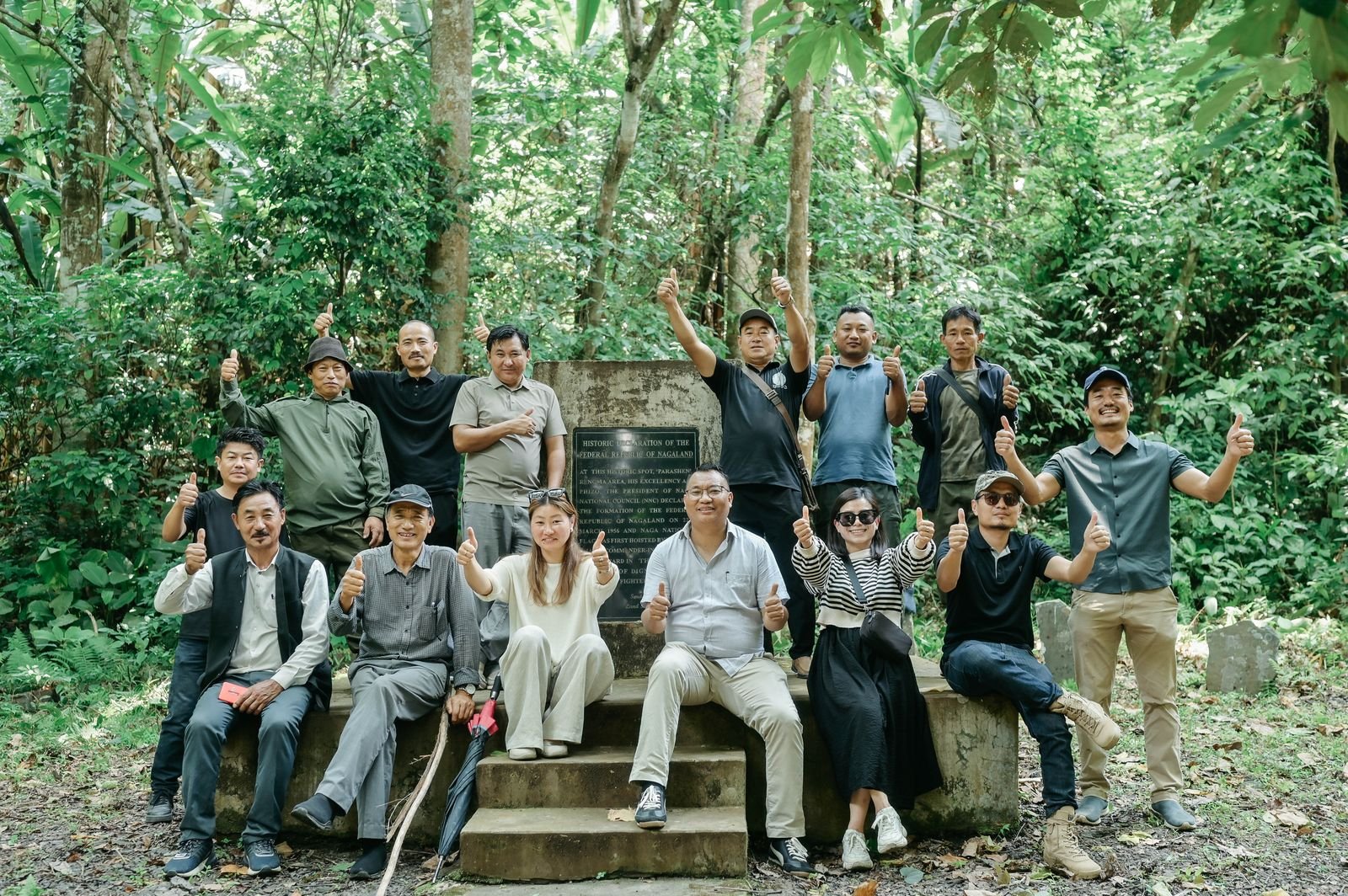
From the centre, a 2 km trekking route climbs through the reserve’s forest past Dr S Kemp’s tower to the ridge. Village guides walk it with every group.
Stone monoliths and a tin-roofed shelter mark the resting point on the climb, built and kept by the village.
At the top of the route is the site where the Naga national flag was first hoisted, in March 1956. The reserve holds it inside its protected forest, marked with a memorial stone.
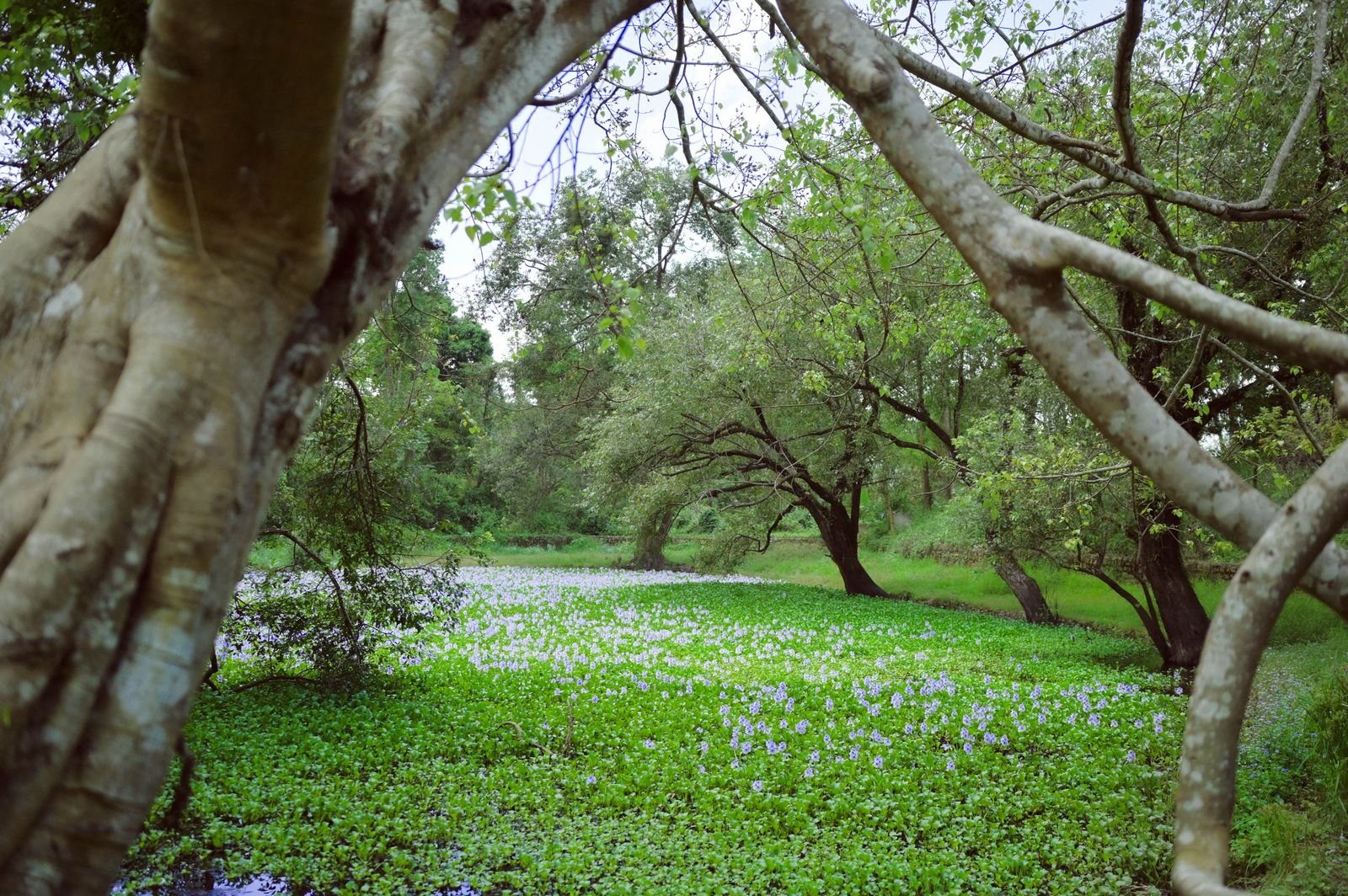
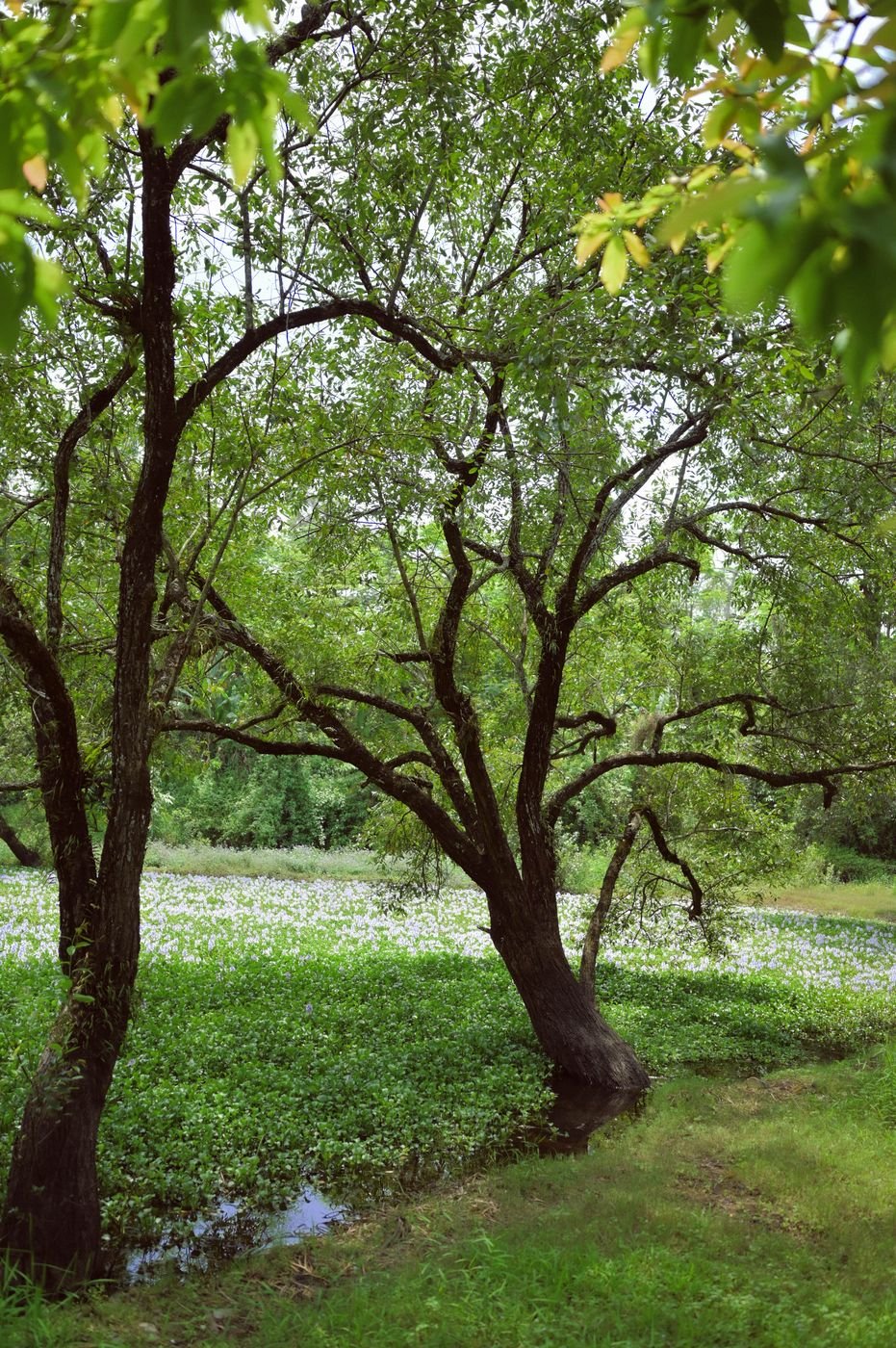
Below the village, old trees stand in a water body that flowers with water hyacinth. Check dams and harvesting ponds across the reserve hold water for wildlife and recharge the ground.
A biodiversity education initiative designed to inspire children and young people through experiential learning rooted in nature, culture, and community stewardship.
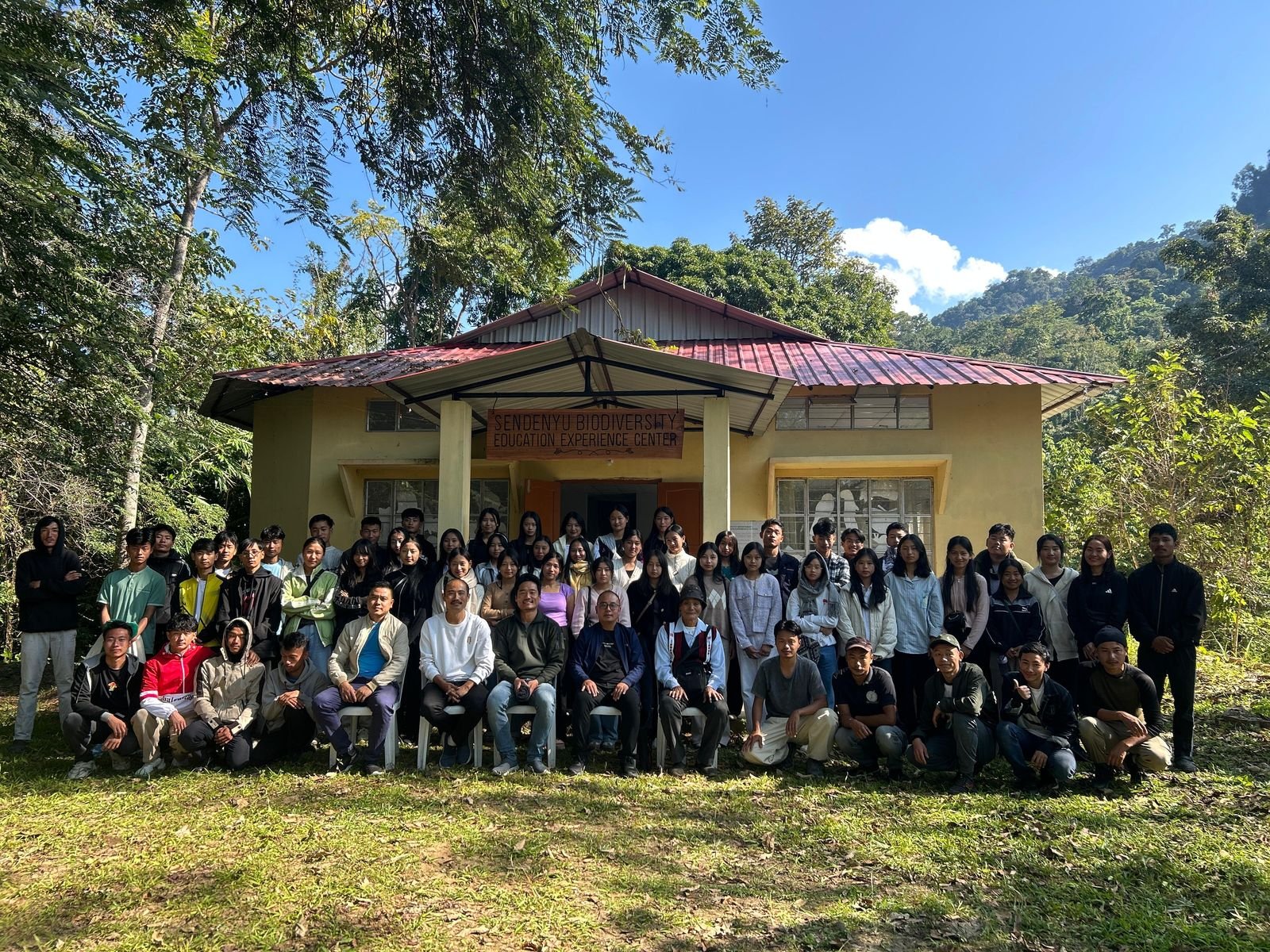 01An Eyes of Tomorrow cohort at the centre
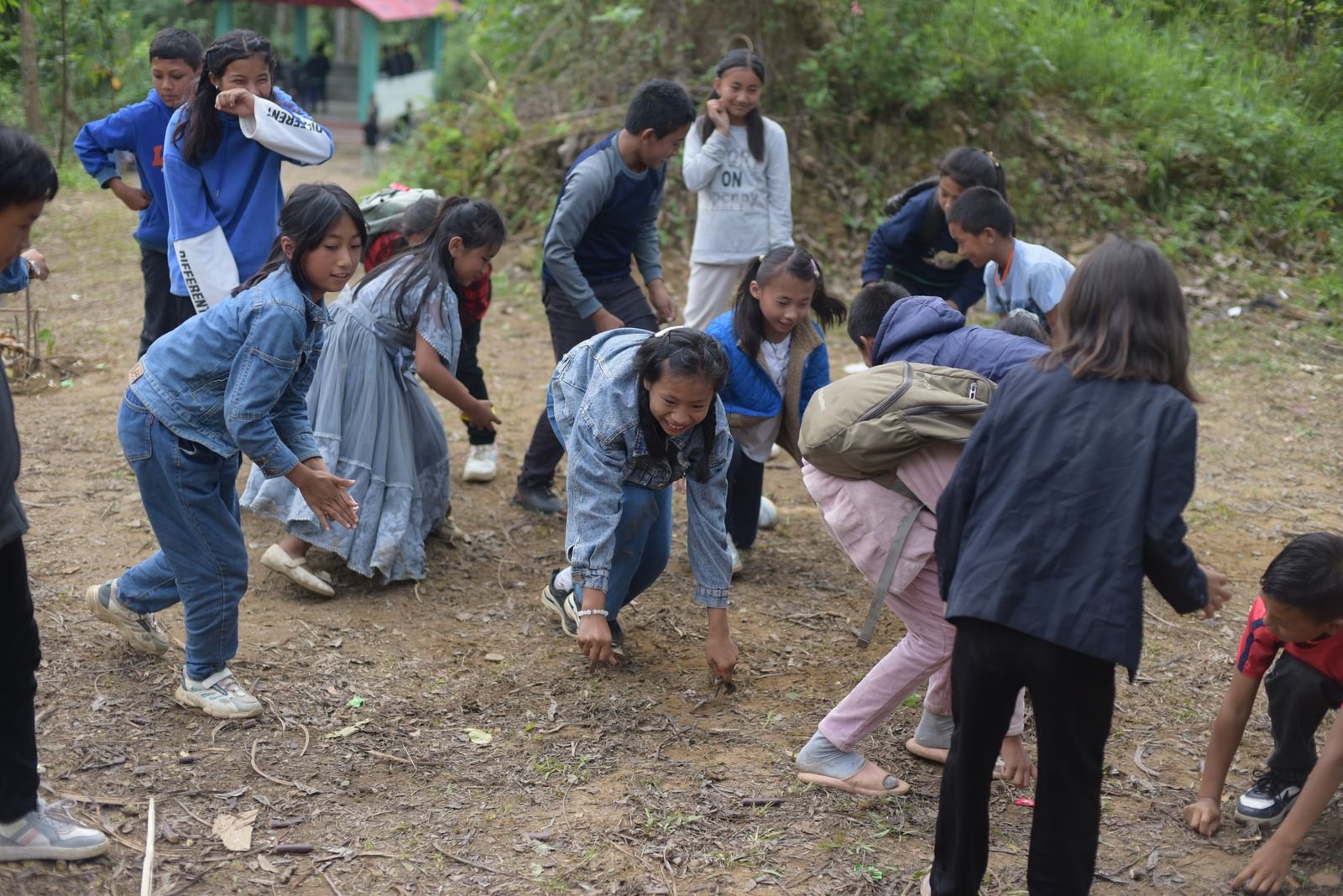 02Nature play
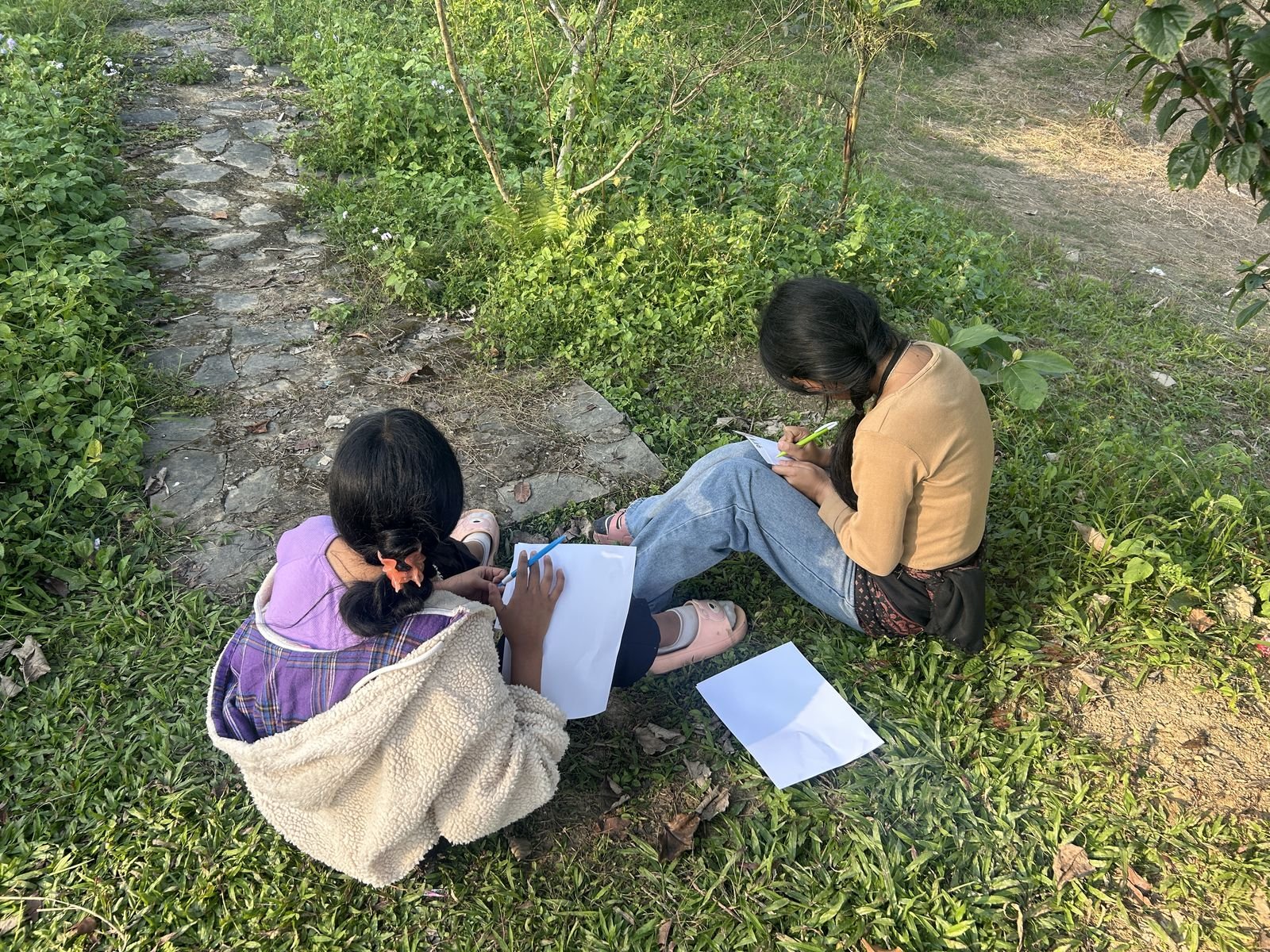 03Field notes
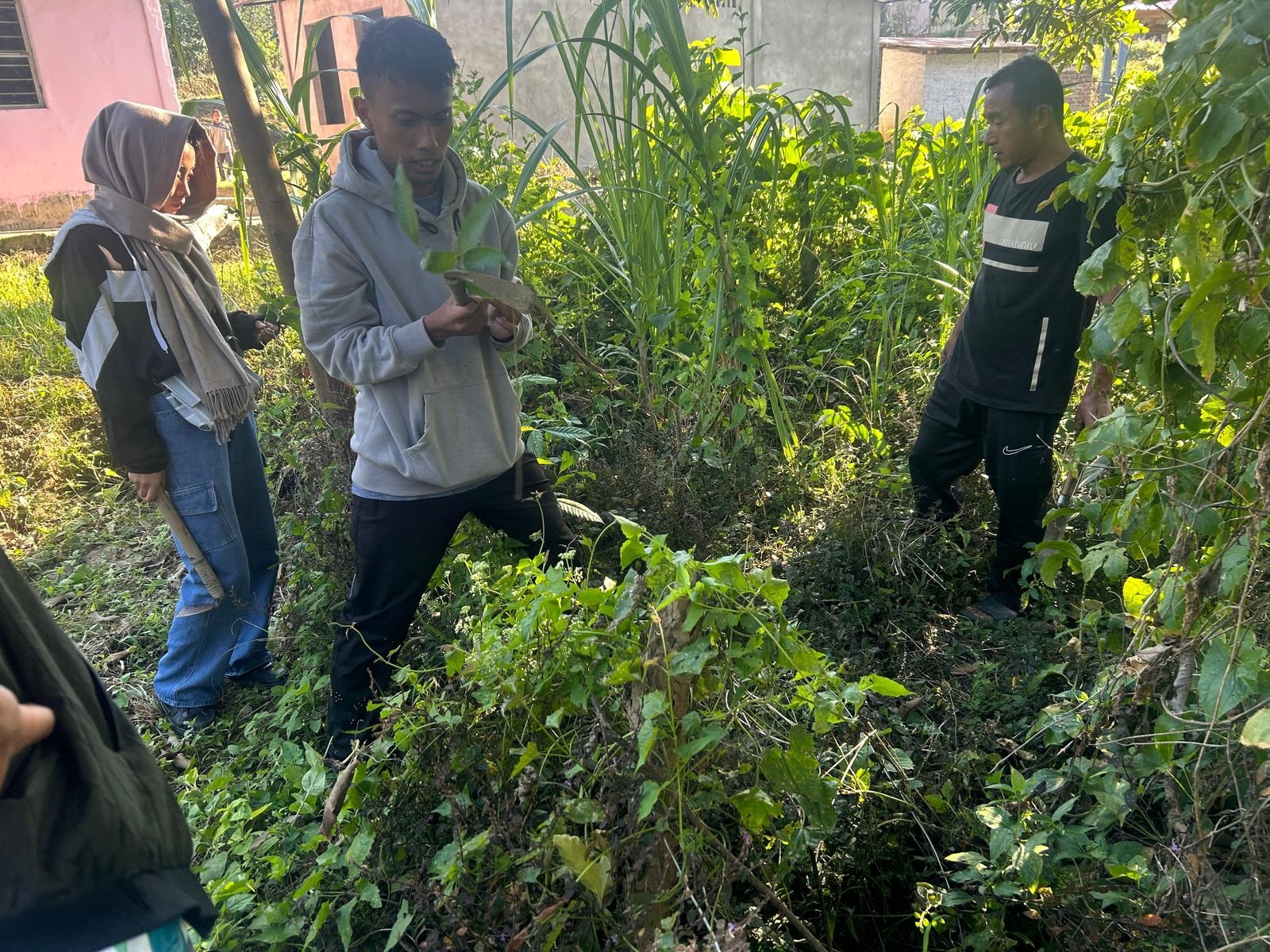 04Learning from the village
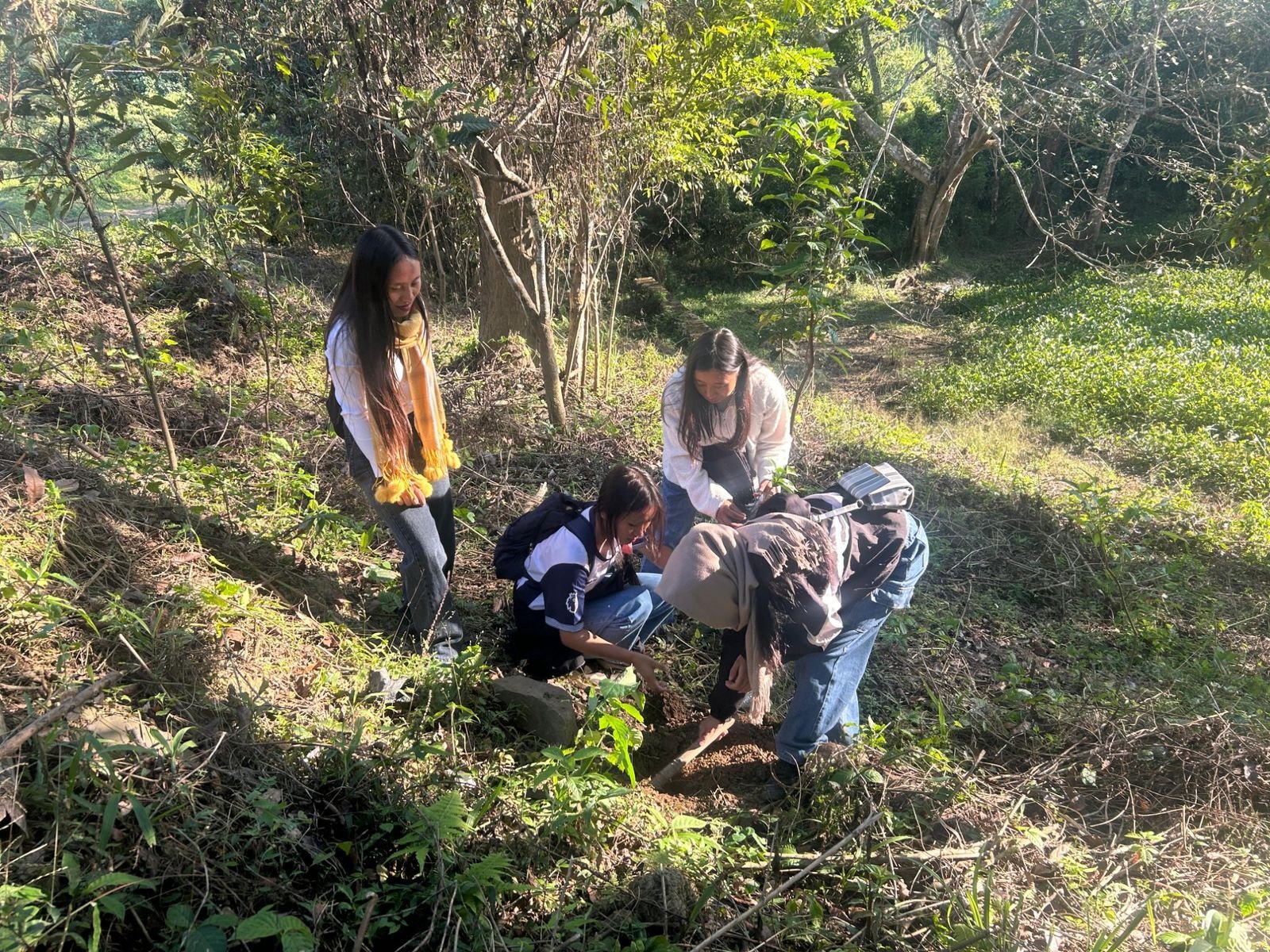 05Planting
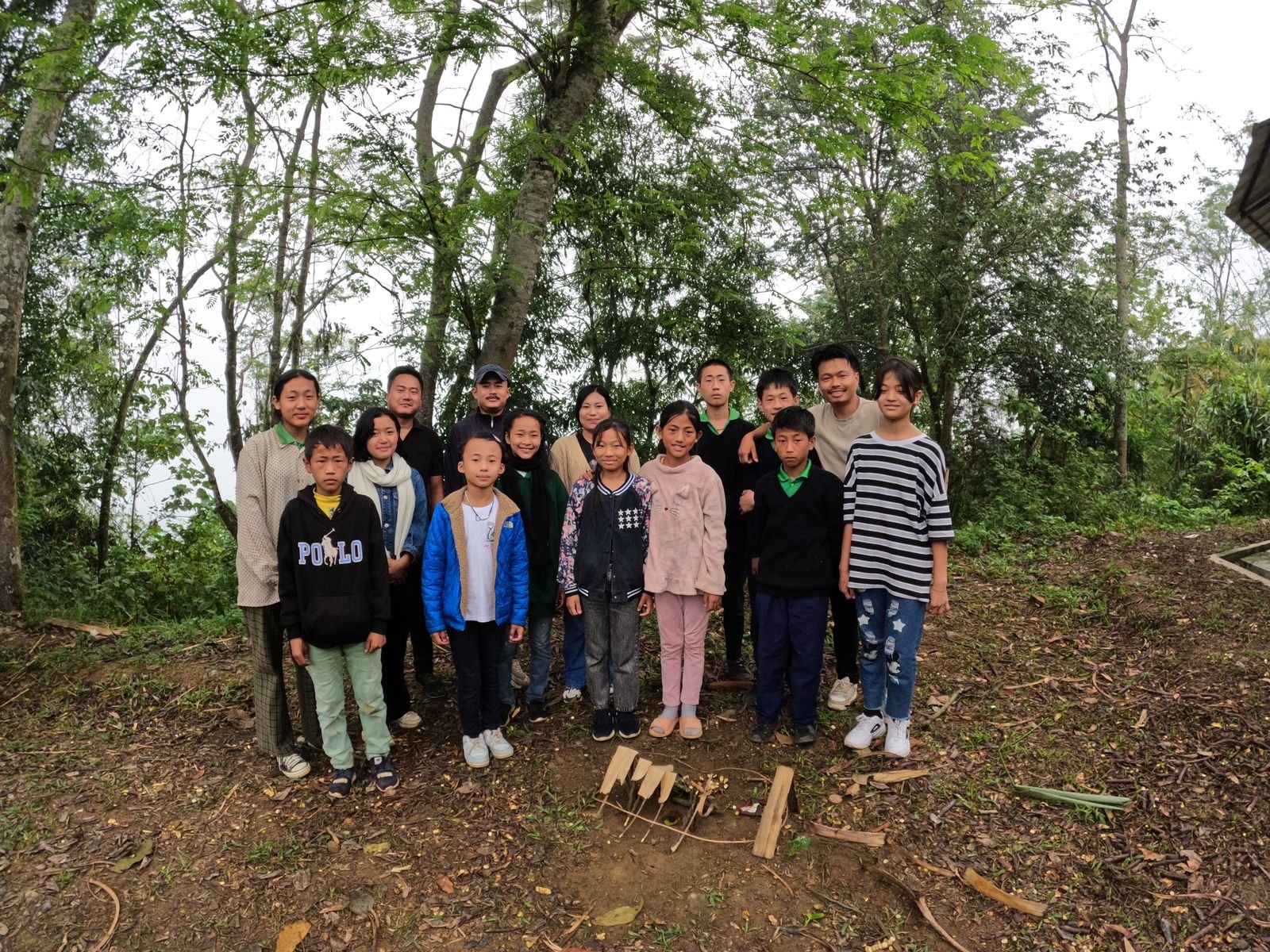 06Making with the forest
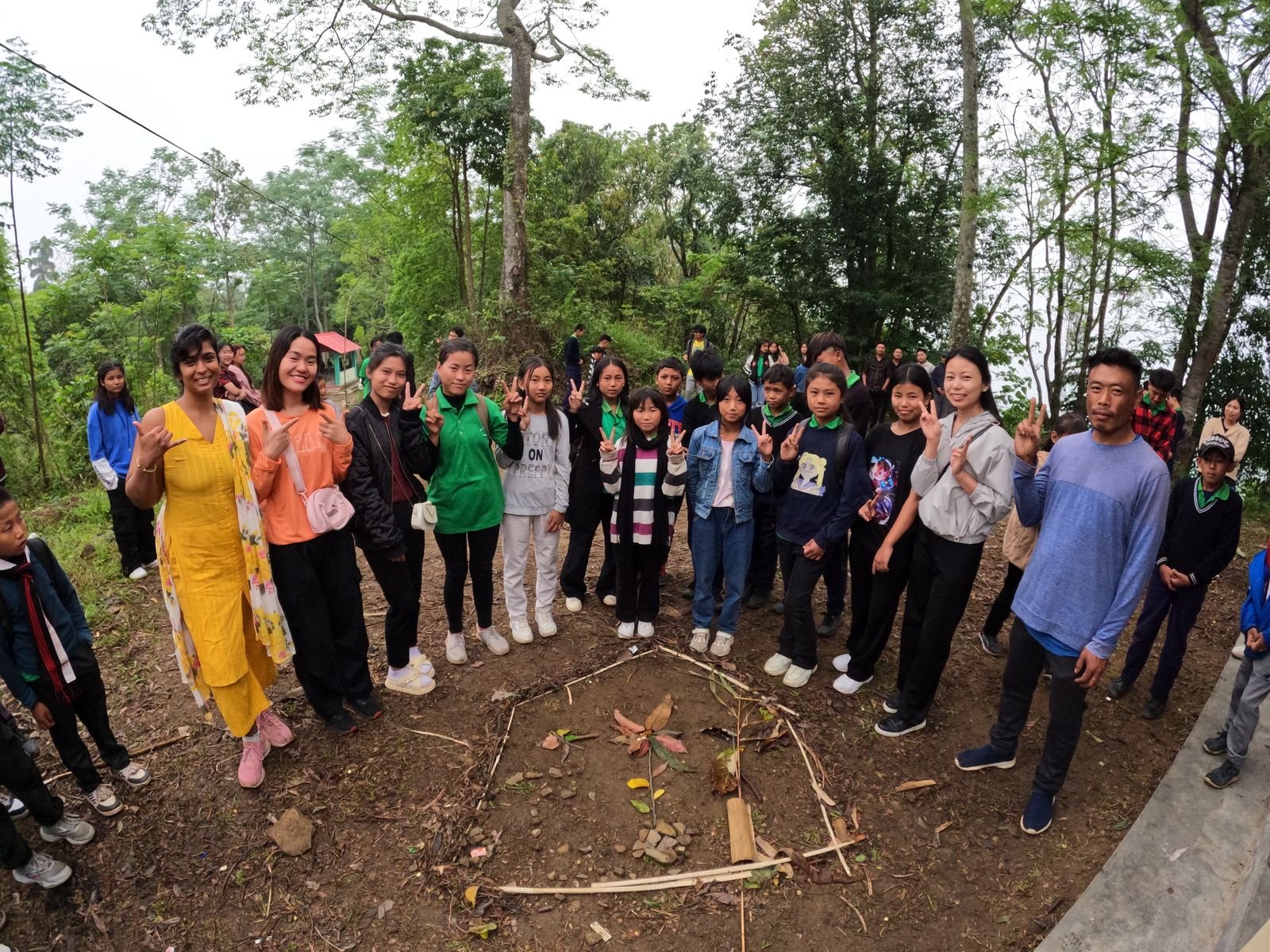 07Nature art
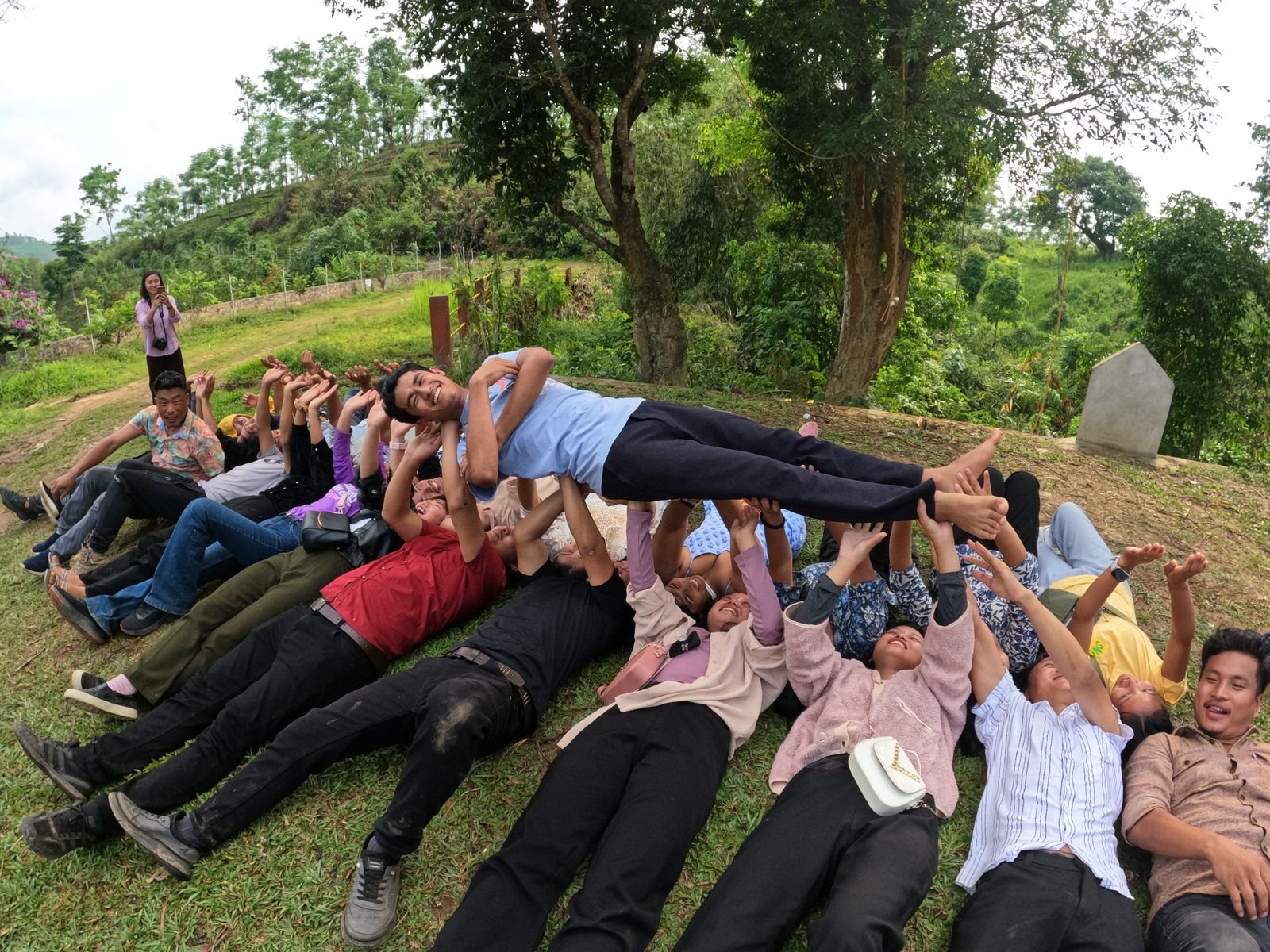 08Trust games
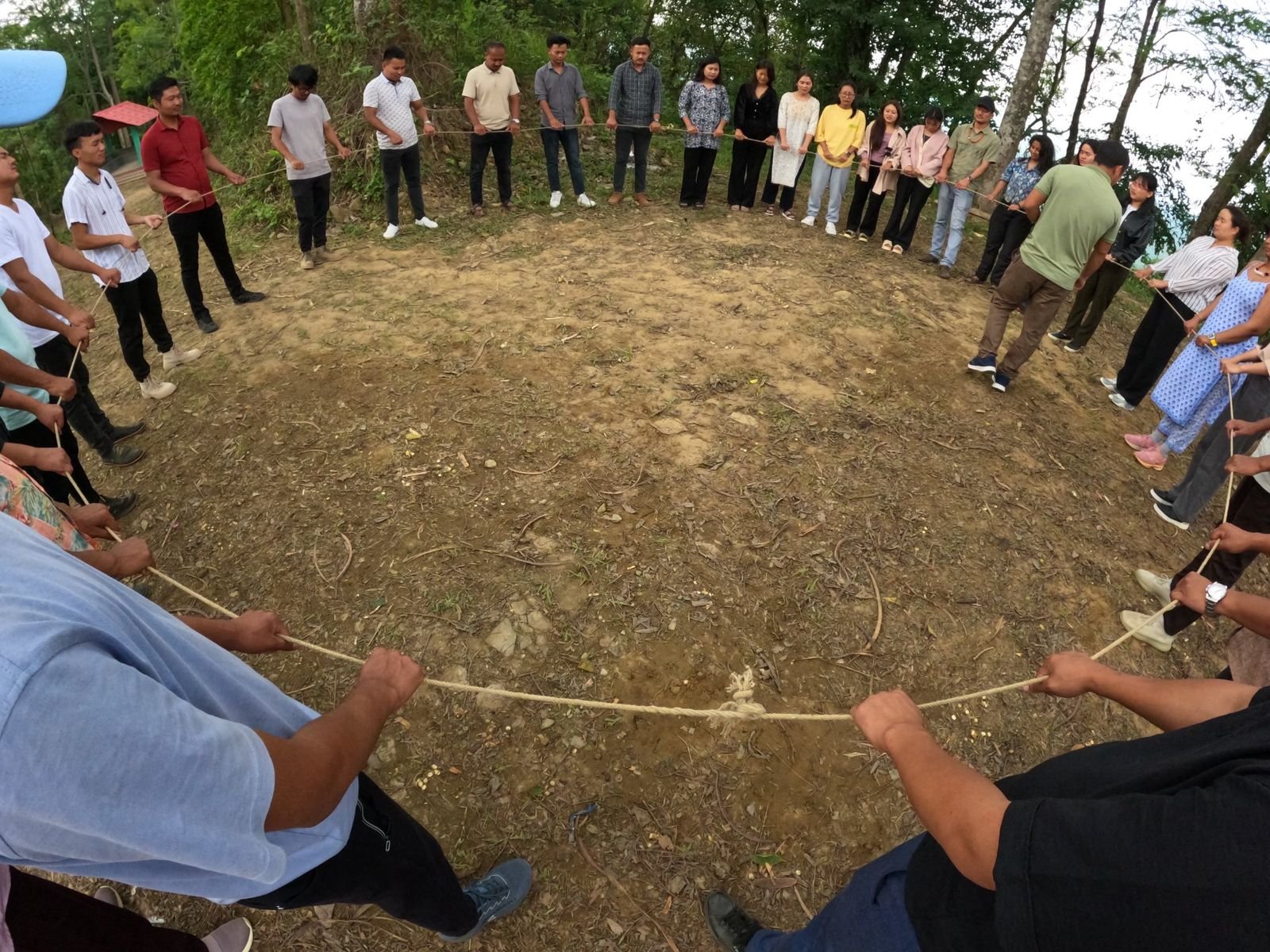 09Youth leaders
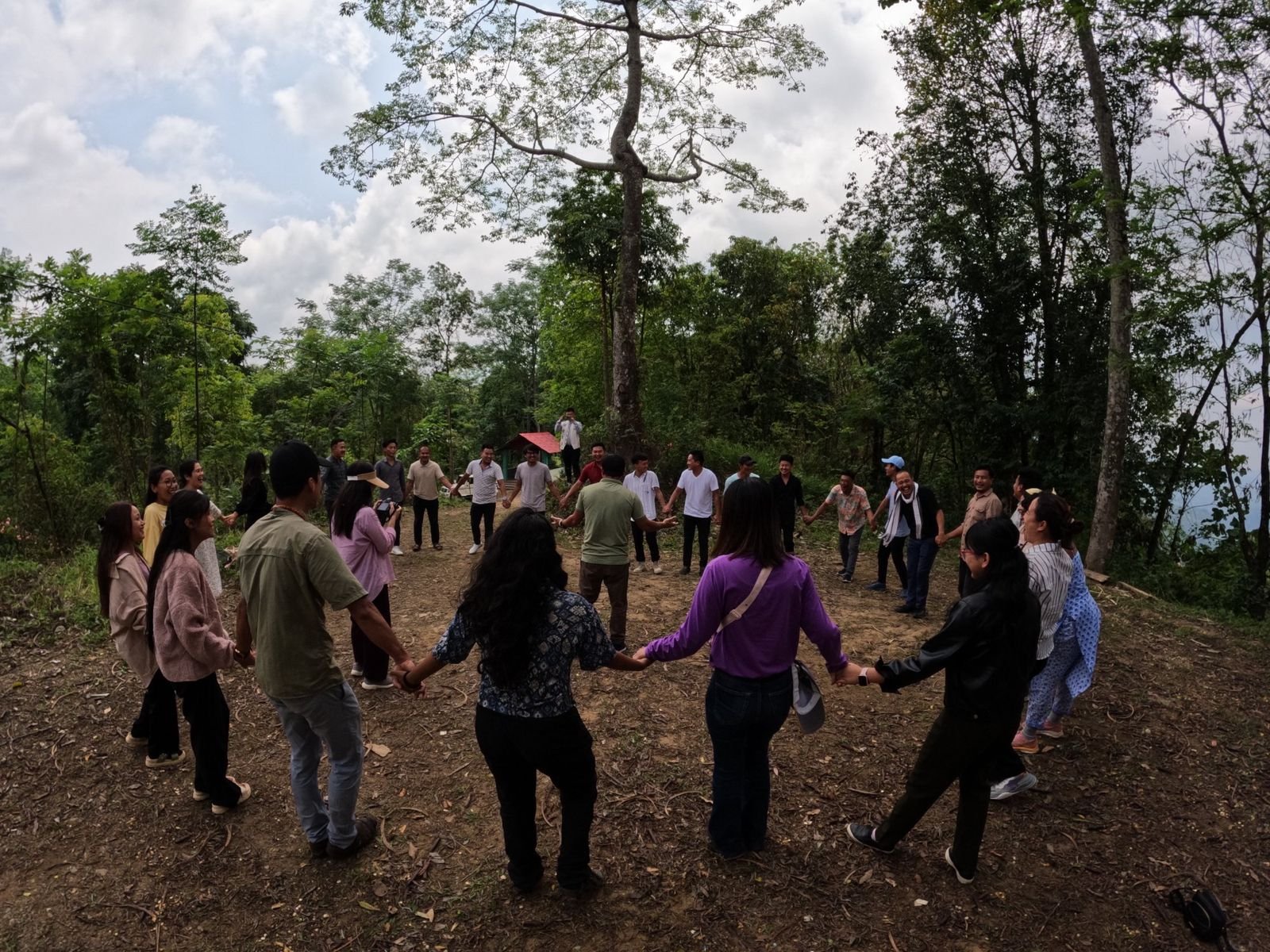 10Closing circle
In July 2026, the Sendenyu Community Ecotourism Board and Kenono Foundation signed the Sendenyu Community Responsible Tourism Initiative: a community-run model in which visitors fund the guides, guards, and learning programmes that keep the reserve standing.
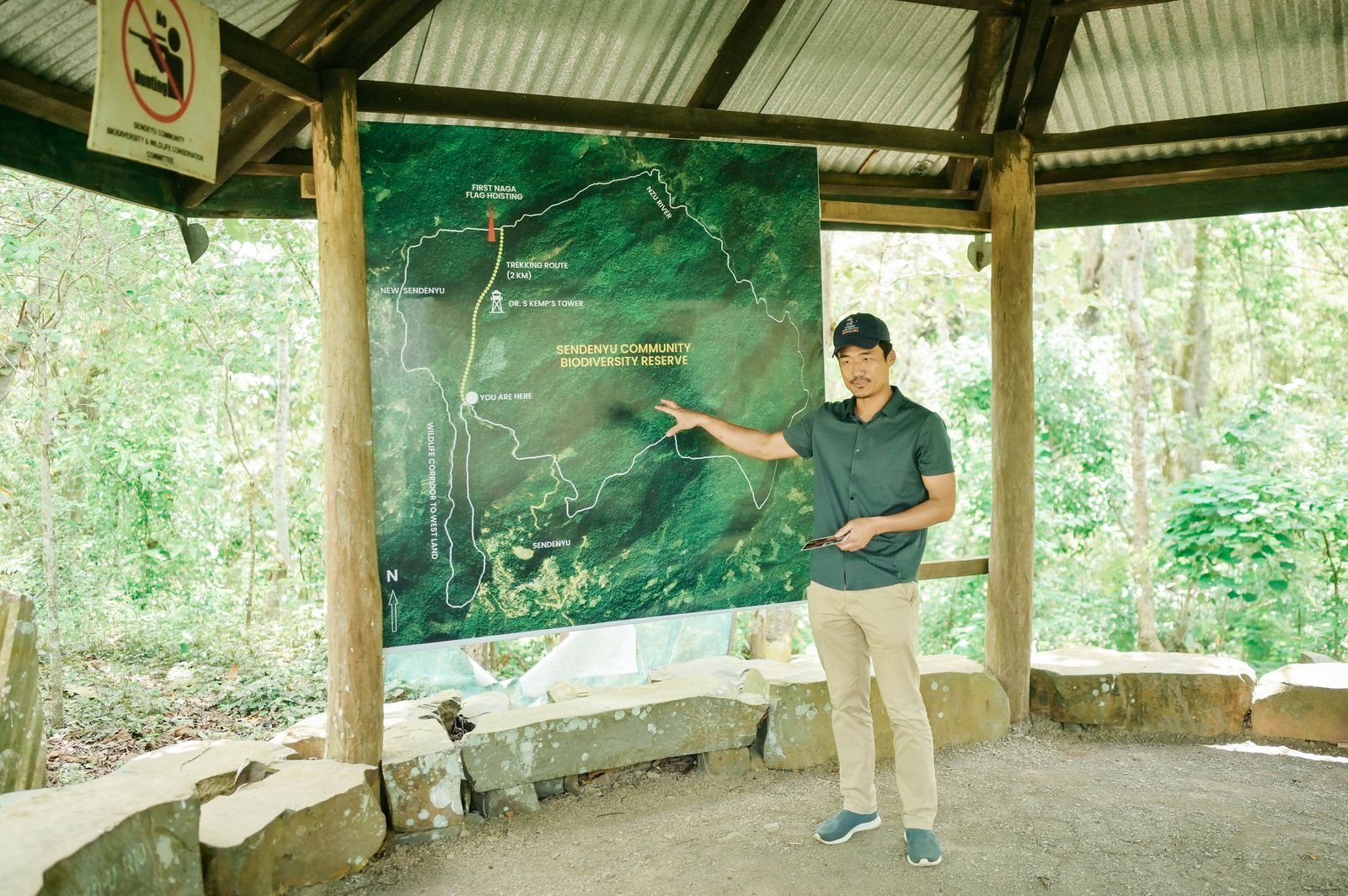 The map shelter at the trailhead
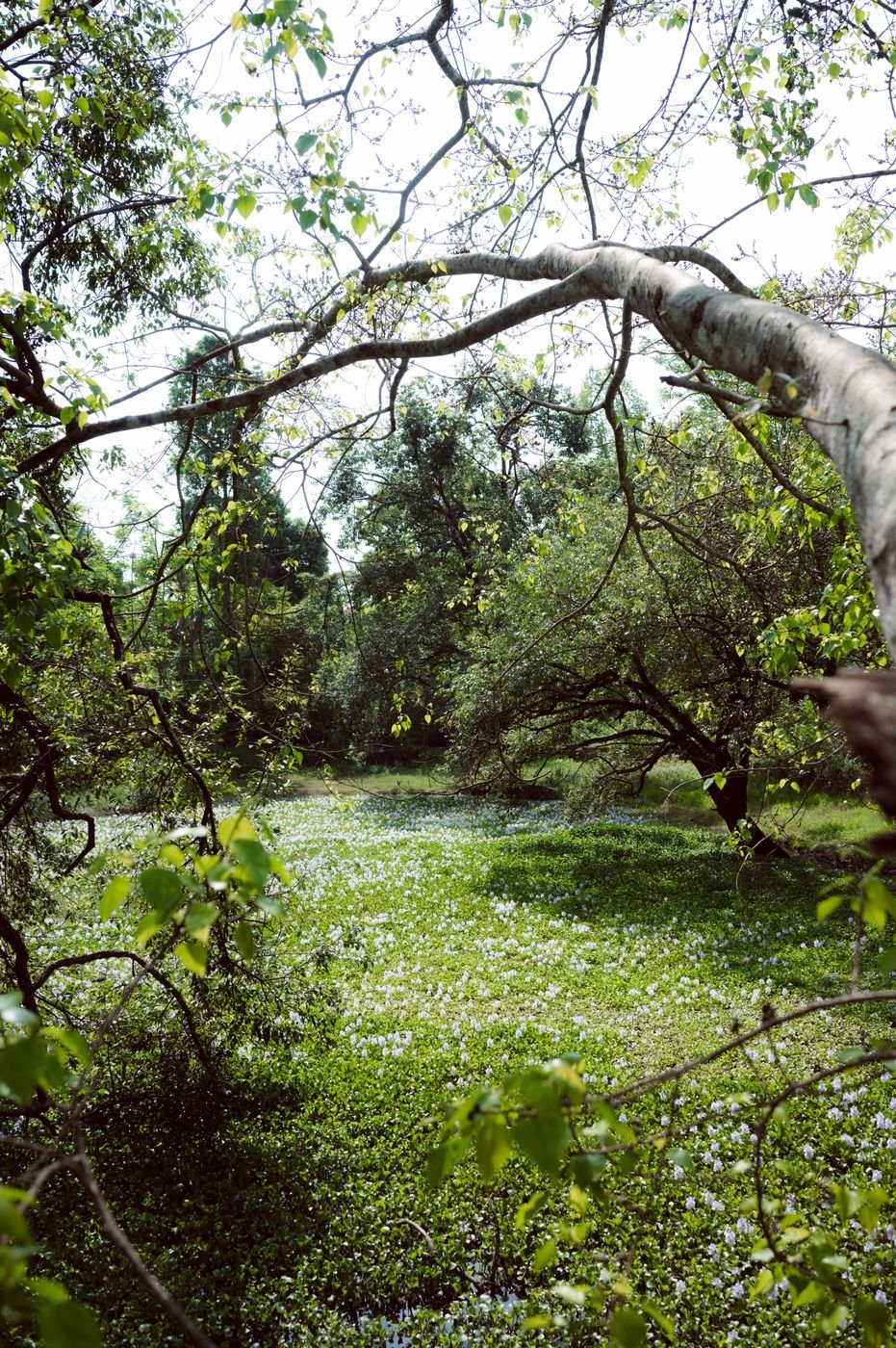 The wetland in bloom
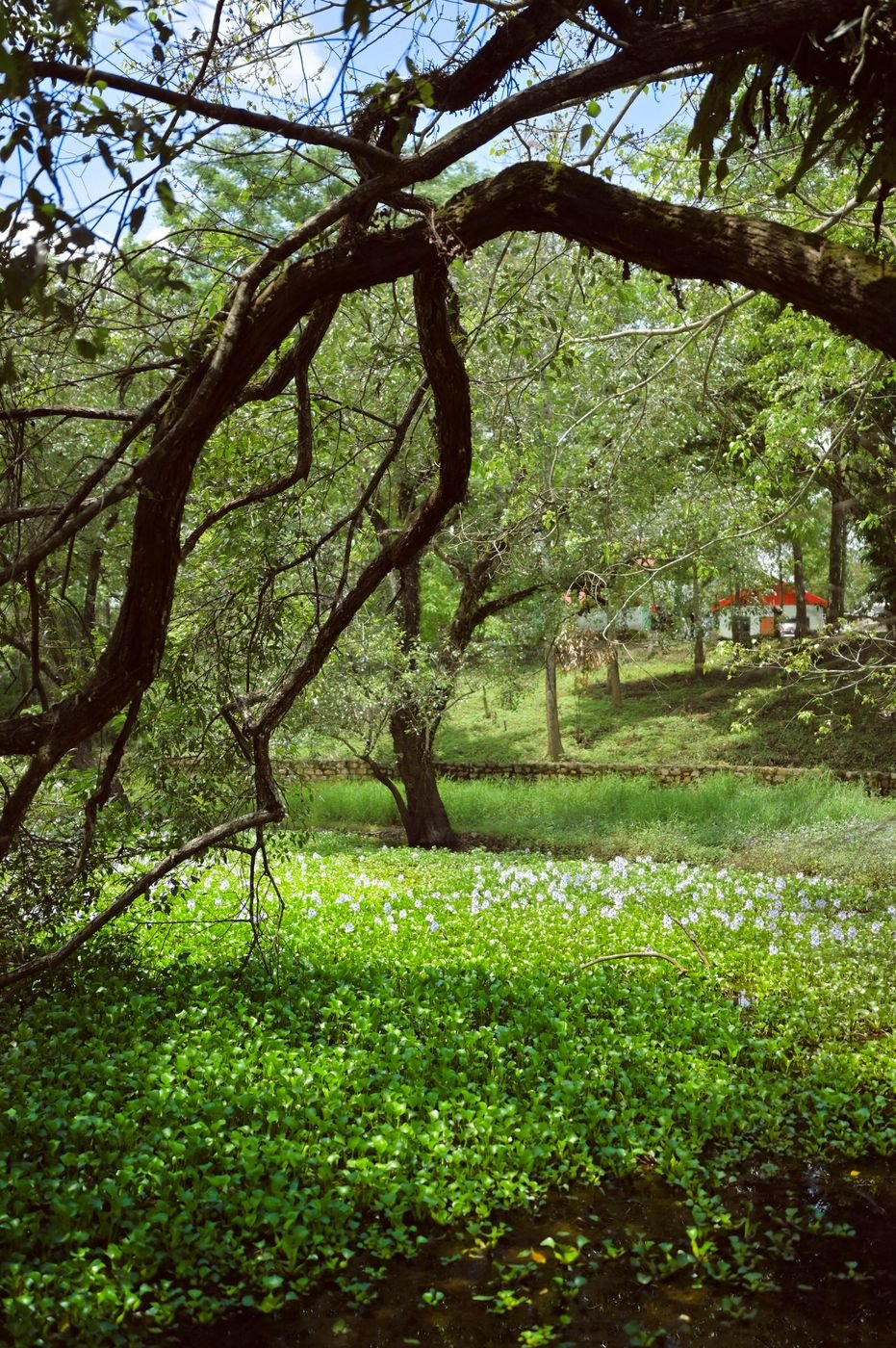 The centre from the wetland
The centre welcomes school groups, researchers, and travellers. Write to Kenono to plan a visit, host a programme at the centre, or support the guards and guides who keep the reserve.